
 Главная страница
10 эффективных стратегий выбора промышленного освещения для повышения производительности
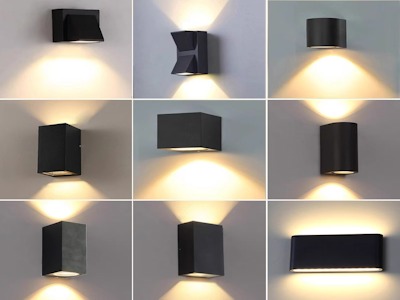
Промышленное освещение играет ключевую роль в обеспечении безопасности, комфорта и эффективности на рабочих местах. Неправильно подобранное освещение может привести к снижению производительности, увеличению числа ошибок и даже accidents. В этой статье мы рассмотрим 10 стратегий, которые помогут вам выбрать оптимальное освещение для вашего промышленного объекта, что в конечном итоге повысит производительность труда.
Освещение не только влияет на видимость, но и на психологическое состояние работников. Исследования показывают, что хорошее освещение может увеличить производительность на 10-20%. Мы углубимся в детали, включая типы светильников, нормы, энергоэффективность и современные тенденции.
Стратегия 1: Оценка потребностей освещения на основе типа помещения
Первым шагом в выборе промышленного освещения является тщательная оценка конкретных потребностей вашего помещения. Разные типы промышленных объектов требуют различного подхода к освещению. Например, на складах, где хранятся товары, важно обеспечить равномерное освещение без теней, чтобы workers могли легко идентифицировать и перемещать items. В производственных цехах, где выполняются точные работы, such as assembly or machining, необходимо brighter and more focused lighting to reduce eye strain and improve accuracy.
Для оценки используйте такие параметры, как площадь помещения, высота потолков, цвет стен и потолка (светлые поверхности отражают больше света, enhancing illumination), и наличие natural light. Проведите замеры освещенности с помощью lux meters to determine current levels and identify areas that need improvement. Это поможет установить baseline и определить, сколько additional lighting требуется.
Пример: На автомобильном заводе, где workers assemble delicate components, рекомендуемый уровень освещенности составляет 500-1000 lux. Если текущее освещение provides only 300 lux, это может lead to errors and reduced productivity. Путем оценки, вы можете plan for additional fixtures or upgrades.
Кроме того, consider the specific tasks performed in each area. For instance, in quality control zones, higher illumination (up to 1500 lux) might be necessary to detect defects. Используйте zoning – разделение помещения на зоны с разными требованиями к освещению, чтобы оптимизировать energy use and costs.
В заключение, thorough assessment ensures that lighting is tailored to the unique needs of your facility, preventing over-lighting or under-lighting, both of which can harm productivity. Invest in professional lighting audits if possible, as they provide detailed insights and recommendations.
Стратегия 2: Выбор правильного типа светильников (LED, fluorescent, etc.)
Выбор типа светильников является критическим аспектом промышленного освещения. Сегодня наиболее popular and efficient option – LED (light-emitting diode) lighting. LED светильники offer numerous advantages over traditional options like fluorescent or incandescent lights. Они energy-efficient, consuming up to 80% less energy, which reduces electricity costs and environmental impact. Additionally, LEDs have a longer lifespan – typically 50,000 hours or more, compared to 10,000 hours for fluorescents – meaning less frequent replacements and lower maintenance costs.
LEDs also provide better light quality with high color rendering index (CRI), which means colors appear more natural, reducing eye strain and improving visibility for detailed tasks. They are durable and resistant to vibrations, making them ideal for industrial environments where machinery operates. However, initial cost can be higher, but the long-term savings justify the investment.
Fluorescent lights are still used in some settings due to lower upfront cost, but they contain mercury and have shorter lifespans. Incandescent lights are largely obsolete in industrial applications due to inefficiency. For high-bay areas like warehouses, high-intensity discharge (HID) lights were common, but LEDs are now preferred for their efficiency and instant-on capability.
When selecting fixtures, consider factors such as lumen output (brightness), beam angle (for focused or widespread light), and IP rating (ingress protection for dust and moisture resistance). For example, in food processing plants, choose fixtures with high IP ratings to withstand cleaning processes.
In summary, opting for LED technology is a strategic move that enhances productivity through better light quality, reliability, and cost savings. Evaluate specific models and brands to find the best fit for your needs.
Стратегия 3: Соблюдение норм и стандартов освещения
Соблюдение норм и стандартов освещения не только ensures legal compliance but also promotes safety and efficiency. In Russia, industrial lighting must adhere to regulations such as СП 52.13330.2011 (Свод правил по естественному и искусственному освещению), which specifies minimum illumination levels for different types of workplaces. For instance, general assembly areas require at least 300 lux, while precision work areas need 500-1000 lux.
International standards like ISO 8995 and EN 12464-1 provide additional guidelines. These standards cover aspects such as uniformity of light (to avoid shadows and glare), color temperature (measured in Kelvin, with 4000-5000K recommended for industrial settings to mimic daylight and reduce fatigue), and flicker-free operation to prevent headaches and eye strain.
Non-compliance can lead to penalties, increased accident rates, and decreased productivity. For example, inadequate lighting in a warehouse might result in trips and falls, causing injuries and downtime. Regularly audit your lighting system to ensure it meets current standards, especially after renovations or changes in operations.
Additionally, consider ergonomic factors. Standards often include recommendations for reducing glare by using diffusers or positioning lights appropriately. Use lighting design software or consult with experts to model and verify compliance before implementation.
By adhering to norms, you create a safer work environment that boosts morale and productivity. Keep updated with changes in regulations to avoid obsolescence.
Стратегия 4: Учет энергоэффективности и снижения затрат
Энергоэффективность является ключевым фактором в выборе промышленного освещения, так как lighting can account for up to 40% of electricity consumption in industrial facilities. Implementing energy-efficient strategies not only reduces operational costs but also contributes to sustainability goals. Start by replacing old, inefficient lights with LEDs, which use significantly less power for the same brightness.
Use lighting controls such as motion sensors, timers, and dimmers to ensure lights are only on when needed. For example, in storage areas that are rarely occupied, motion-activated lights can save energy. Daylight harvesting systems integrate natural light with artificial lighting, dimming or turning off lights when sufficient sunlight is available, further reducing energy use.
Calculate the return on investment (ROI) for lighting upgrades. While LEDs have higher upfront costs, the savings in energy and maintenance often pay back the investment within 2-3 years. Consider government incentives or rebates for energy-efficient upgrades, which are available in many regions.
Monitor energy consumption with smart meters to identify patterns and opportunities for improvement. Regular maintenance, such as cleaning fixtures and replacing outdated components, ensures optimal efficiency.
By focusing on energy efficiency, you not cut costs but also enhance productivity by providing consistent, reliable lighting without interruptions. This strategic approach aligns with long-term business sustainability.
Стратегия 5: Интеграция умных систем освещения
Умные системы освещения, основанные на IoT (Internet of Things) technology, revolutionize industrial lighting by offering enhanced control, automation, and data analytics. These systems allow for remote monitoring and adjustment of lighting levels via smartphones or computers, enabling real-time optimization based on occupancy, time of day, or specific tasks.
For instance, smart lighting can be programmed to increase brightness during peak production hours and dim during breaks, reducing energy use while maintaining productivity. Sensors can detect movement and adjust lighting accordingly, ensuring safety in low-traffic areas without wasting energy.
Data collected from smart systems can provide insights into usage patterns, helping to identify inefficiencies and plan maintenance. Integration with other building management systems (BMS) allows for cohesive control of lighting, HVAC, and security, creating a smarter, more efficient facility.
Although initial implementation requires investment in infrastructure and training, the benefits include improved productivity through adaptive lighting, reduced operational costs, and enhanced worker comfort. Start with pilot projects in key areas to demonstrate value before full-scale deployment.
Embracing smart lighting is a forward-thinking strategy that positions your facility for future advancements and continuous improvement in productivity.
Стратегия 6: Обеспечение безопасности и комфорта работников
Освещение напрямую влияет на безопасность и комфорт работников, что в свою очередь affects productivity. Poor lighting can cause eye strain, headaches, and fatigue, leading to decreased concentration and increased error rates. Ensure that lighting is sufficient to prevent accidents, such as trips or falls, especially in areas with obstacles or machinery.
Use anti-glare fixtures and position lights to minimize shadows and reflections on work surfaces. For tasks requiring high precision, provide task lighting in addition to general照明 to reduce eye strain. Consider the psychological impact; lighting with a color temperature of 5000K (cool white) is often preferred in industrial settings as it promotes alertness.
Regularly solicit feedback from employees about lighting conditions and make adjustments based on their input. This not only improves safety but also boosts morale and engagement.
Implement emergency lighting systems that activate during power outages to ensure safe evacuation. Compliance with safety standards is crucial to avoid liabilities.
By prioritizing worker safety and comfort, you create a positive work environment that enhances productivity and reduces absenteeism.
Стратегия 7: Планирование бюджета и оценка общей стоимости владения
Эффективный выбор освещения requires careful budgeting and consideration of total cost of ownership (TCO), which includes initial purchase, installation, energy consumption, maintenance, and disposal costs. While LED lights have higher upfront costs, their lower energy use and longer lifespan result in lower TCO compared to traditional options.
Create a detailed cost-benefit analysis for different lighting options. Factor in potential savings from reduced energy bills and maintenance. Explore financing options or leasing programs to spread out costs.
Plan for future upgrades by choosing scalable systems that can be easily expanded or modified. Avoid cheap, low-quality products that may fail prematurely and increase costs.
By focusing on TCO, you make informed decisions that maximize return on investment and support long-term productivity gains.
Стратегия 8: Учет особенностей конкретных отраслей (например, пищевая промышленность, машиностроение)
Different industries have unique lighting requirements based on their processes and environments. For example, in the food industry, lighting must be hygienic, with fixtures that are easy to clean and resistant to moisture and chemicals. High CRI lighting is essential for quality control to accurately assess food color and freshness.
In manufacturing, lighting needs to withstand vibrations from machinery and provide bright, focused light for detailed work. In warehouses, emphasis is on uniform illumination for inventory management.
Tailor your lighting strategy to industry-specific needs by consulting standards and best practices. This ensures that lighting supports rather than hinders operational efficiency.
Стратегия 9: Регулярное техническое обслуживание и мониторинг
Регулярное maintenance is crucial to keep lighting systems operating efficiently and safely. Schedule routine inspections to clean fixtures, replace burned-out bulbs, and check for issues like flickering or dimming, which can indicate problems.
Use monitoring systems to track performance and predict maintenance needs, preventing unexpected failures that disrupt productivity.
Proactive maintenance extends the life of lighting equipment and ensures consistent light quality, contributing to sustained productivity.
Стратегия 10: Внедрение инноваций и будущих тенденций
Stay ahead by adopting emerging trends in industrial lighting, such as human-centric lighting that adjusts to circadian rhythms to improve well-being and productivity, or Li-Fi technology that uses light for data transmission.
Invest in R&D to explore new materials and designs that offer better efficiency and functionality. By embracing innovation, you future-proof your lighting system and maintain a competitive edge.
Заключение
Выбор правильного промышленного освещения – это комплексный процесс, который требует внимания к деталям и стратегического планирования. Реализуя these 10 strategies, you can significantly enhance productivity, safety, and cost-efficiency in your facility. Start with an assessment, choose efficient technologies, adhere to standards, and embrace innovation for long-term success.
Remember, lighting is not just a utility but a tool that can drive operational excellence. Invest wisely and reap the benefits of a well-lit, productive workplace.