
Информационный центр
 Главная страница
Офисные люстры будущее освещения уже сегодня
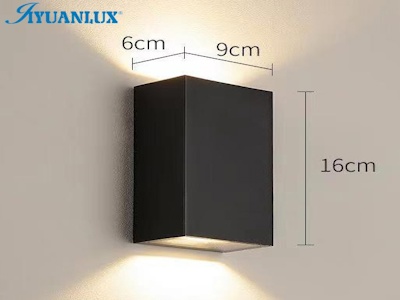
В современном мире освещение перестало быть просто функциональной необходимостью; оно стало ключевым элементом, определяющим комфорт, продуктивность и даже здоровье людей в офисных пространствах. Офисные люстры, когда-то простые источники света, сегодня эволюционировали в высокотехнологичные системы, которые уже сейчас предлагают то, что мы традиционно ассоциируем с будущим. Эта статья углубляется в то, как эти инновационные осветительные решения, основанные на светодиодных технологиях, умном управлении и эргономичном дизайне, не просто освещают помещения, но и трансформируют рабочие среды, делая будущее освещения доступным уже сегодня.
Введение: Почему освещение имеет значение в офисе
Освещение в офисе – это не просто вопрос видимости; оно напрямую влияет на настроение, концентрацию и общее благополучие сотрудников. Исследования показывают, что плохое освещение может привести к усталости глаз, головным болям и снижению продуктивности, в то время как оптимальное освещение способствует творчеству, эффективности и даже улучшению здоровья. Например, исследование, проведенное в 2019 году, демонстрирует, что сотрудники, работающие при естественном или имитирующем естественный свет освещении, сообщают о на 15% более высокой удовлетворенности работой. Офисные люстры, как центральные элементы освещения, играют crucial роль в этом контексте. Они должны обеспечивать равномерное, безбликовое освещение, адаптированное к различным задачам – от интенсивной работы за компьютером до collaborative meetings. В прошлом люстры часто были громоздкими, энергоемкими и ограниченными в возможностях, но сегодня они представляют собой интегрированные системы, которыеCombine эстетику с передовой технологией. This shift is not just a trend; it's a necessity driven by the growing awareness of sustainability, health, and efficiency in workplace design. As we move towards more hybrid and flexible work models, the demand for adaptive lighting solutions has skyrocketed, making office chandeliers a focal point of innovation. In this article, we will explore how these modern fixtures are shaping the future of lighting, from energy savings to enhanced well-being, and why investing in them today is a step towards a brighter, smarter tomorrow.
Эволюция офисного освещения: От прошлого к настоящему
Чтобы appreciate the advancements in modern office chandeliers, it's essential to understand their evolution. In the early 20th century, office lighting was primarily based on incandescent bulbs and fluorescent tubes. These sources were inefficient, producing significant heat and consuming large amounts of energy. Fluorescent lighting, popularized in the mid-1900s, offered better efficiency but often resulted in harsh, flickering light that could cause eye strain and headaches. The design of office chandeliers during this era was functional but uninspiring – think large, metallic fixtures with multiple bulbs, focused solely on providing ample light without consideration for aesthetics or health.
The turn of the millennium marked a significant shift with the advent of Light Emitting Diodes (LEDs). LEDs revolutionized lighting by offering superior energy efficiency, longer lifespan, and better controllability. Initially, LED technology was expensive and limited in application, but rapid advancements made it accessible for office environments. Modern office chandeliers now incorporate LEDs as standard, allowing for designs that are not only energy-efficient but also highly customizable. For instance, LED chandeliers can be dimmed, change color temperature, and even integrate with smart systems for automated control. This evolution has been driven by several factors: rising energy costs, environmental concerns, and a growing body of research linking lighting to human circadian rhythms. Studies, such as those from the Lighting Research Center, have shown that tunable LED lighting can mimic natural daylight patterns, thereby regulating sleep-wake cycles and improving overall health. In offices, this means chandeliers that adjust throughout the day – cooler, brighter light in the morning to boost alertness, and warmer, softer light in the afternoon to reduce stress. The design has also evolved from bulky fixtures to sleek, minimalist styles that complement contemporary office aesthetics. Materials like brushed aluminum, glass, and sustainable composites are commonly used, making chandeliers not just functional items but design statements. This progression from basic illumination to intelligent, health-focused systems underscores how office chandeliers have become harbingers of the future, embedding technology that was once speculative into everyday use.
Ключевые технологии в современных офисных люстрах
Современные офисные люстры оснащены рядом передовых технологий, которые делают их «будущим освещения уже сегодня». Во-первых, светодиодные (LED) технологии являются основой. LED-лампы потребляют до 80% меньше энергии по сравнению с лампами накаливания и служат в 25 раз дольше, что значительно снижает затраты на обслуживание и воздействие на окружающую среду. Например, типичная офисная люстра с LED может работать более 50,000 часов, что эквивалентно более чем 10 годам использования при стандартном рабочем дне. Кроме того, LEDs offer excellent color rendering index (CRI), meaning they produce light that closely resembles natural sunlight, reducing eye strain and enhancing visual comfort.
Во-вторых, умное управление освещением стало game-changer. Многие люстры теперь integrate with IoT (Internet of Things) platforms, allowing for remote control via smartphones or voice assistants like Alexa or Google Assistant. Features such as scheduling, motion sensing, and ambient light adaptation enable offices to optimize energy use – for instance, dimming lights when natural light is sufficient or turning off in unoccupied areas. A study by the Department of Energy found that smart lighting systems can reduce energy consumption by up to 30% in commercial buildings. Moreover, these systems can collect data on usage patterns, helping facility managers make informed decisions about energy management and space utilization.
В-третьих, human-centric lighting (HCL) is a cutting-edge technology embedded in modern chandeliers. HCL systems adjust color temperature and intensity based on the time of day to support circadian rhythms. For example, a chandelier might emit cool white light (5000-6500K) in the morning to promote alertness and gradually shift to warm white light (2700-3000K) in the evening to aid relaxation. Research from institutions like Harvard Medical School has demonstrated that HCL can improve sleep quality, reduce fatigue, and enhance cognitive performance, making it invaluable for office settings where employee well-being is paramount.
Другие инновации включают беспроводную зарядку, встроенную в люстры, позволяющую сотрудникам заряжать устройства without cords, and advanced materials that enhance durability and sustainability. For instance, some chandeliers use recyclable materials or are designed for easy disassembly, supporting circular economy principles. These technologies collectively transform office chandeliers from passive light sources into active, intelligent systems that contribute to a healthier, more efficient workplace.
Преимущества для энергоэффективности и устойчивого развития
Одним из наиболее значительных преимуществ современных офисных люстр является их вклад в энергоэффективность и устойчивое развитие. Традиционное освещение accounts for approximately 20-30% of total energy consumption in commercial buildings, but LED-based chandeliers can cut this figure dramatically. By consuming less power and generating minimal heat, they reduce the load on HVAC systems, leading to additional energy savings. For example, a large office building switching to LED chandeliers might save thousands of dollars annually on electricity bills, with a typical payback period of 2-3 years due to lower energy and maintenance costs.
Кроме того, these chandeliers often comply with green building standards such as LEED (Leadership in Energy and Environmental Design), which promote sustainability through energy efficiency, material selection, and indoor environmental quality. Many manufacturers focus on producing chandeliers with low embodied carbon – meaning the carbon footprint from production and transportation is minimized. Some even incorporate solar-responsive features, where lights adjust based on the amount of sunlight entering the space, further optimizing energy use.
Устойчивость также extends to end-of-life management. LEDs contain no hazardous materials like mercury, which is found in fluorescent lights, making disposal safer and easier. Additionally, the long lifespan reduces waste; whereas incandescent bulbs might need replacement every year, LED chandeliers can last over a decade, decreasing the frequency of waste generation. This alignment with environmental goals not only benefits the planet but also enhances corporate social responsibility (CSR) profiles, appealing to environmentally conscious clients and employees. In essence, modern office chandeliers are not just lighting fixtures; they are tools for achieving sustainability targets, demonstrating that future-ready solutions are economically and ecologically viable today.
Влияние на здоровье и продуктивность сотрудников
Освещение оказывает profound impact on human health and productivity, and modern office chandeliers are designed to maximize positive outcomes. Poor lighting can lead to issues like digital eye strain, headaches, and even seasonal affective disorder (SAD), whereas well-designed lighting can boost mood, focus, and overall well-being. For instance, a study published in the Journal of Environmental Psychology found that employees exposed to dynamic lighting – similar to that provided by advanced chandeliers – reported higher levels of satisfaction and reduced stress compared to those under static lighting.
Современные люстры с регулируемой цветовой температурой и интенсивностью помогают поддерживать циркадные ритмы, которые регулируют sleep patterns and hormone production. By mimicking the natural progression of daylight, these systems can reduce the disruption caused by artificial light, leading to better sleep quality and higher energy levels during the day. In practical terms, this means fewer sick days, lower turnover rates, and improved cognitive functions such as memory and problem-solving. For example, a trial in a corporate office showed that implementing human-centric lighting led to a 10% increase in productivity metrics over six months.
Кроме того, равномерное и безбликовое освещение, обеспечиваемое качественными люстрами, minimizes visual discomfort, which is crucial for tasks involving screens. Features like anti-glare coatings and diffusers ensure that light is distributed evenly, reducing eye fatigue and allowing employees to work longer without discomfort. This is particularly important in open-plan offices, where lighting needs vary across different zones. By investing in advanced chandeliers, companies can create environments that foster health and efficiency, ultimately driving business success through happier, more engaged workforce.
Дизайн и эстетика: Как люстры формируют офисное пространство
Помимо функциональности, дизайн офисных люстр играет key role in shaping the aesthetic and atmosphere of a workspace. Gone are the days of utilitarian fixtures; today's chandeliers are often centerpieces that reflect a company's brand identity and culture. For example, a tech startup might opt for sleek, minimalist designs with metallic finishes to convey innovation, while a creative agency might choose artistic, sculptural chandeliers to inspire creativity. The versatility in design allows offices to use lighting as a tool for interior design, enhancing visual appeal and making spaces more inviting.
Современные материалы и manufacturing techniques enable a wide range of styles – from industrial looks with exposed bulbs to organic forms inspired by nature. Moreover, the integration of technology doesn't compromise aesthetics; many smart chandeliers are designed to be discreet, with hidden sensors and seamless interfaces. This balance between form and function is crucial because a well-designed office can improve employee morale and attract talent. Research from the Harvard Business Review indicates that aesthetically pleasing workspaces can increase perceived job satisfaction by up to 20%.
Кроме того, люстры can be used to define zones within an open office. For instance, a large statement chandelier over a communal area can create a focal point for collaboration, while smaller, task-oriented fixtures provide focused light for individual work. This strategic use of lighting helps in space planning, making offices more efficient and comfortable. By choosing chandeliers that align with architectural elements and color schemes, businesses can create cohesive environments that support both practicality and beauty, proving that the future of office lighting is as much about art as it is about science.
Case Studies: Реальные примеры внедрения
Чтобы illustrate the real-world impact of advanced office chandeliers, consider a few case studies. First, the headquarters of a major tech company in Silicon Valley recently retrofitted its lighting with smart LED chandeliers. The project resulted in a 40% reduction in energy costs and a noticeable improvement in employee feedback regarding comfort and productivity. Sensors integrated into the chandeliers allowed for automated adjustments based occupancy, saving an estimated 100,000 kWh annually.
Another example is a European bank that implemented human-centric lighting in its call centers. By installing chandeliers that change color temperature throughout the day, the bank reported a 15% decrease in employee errors and a 20% rise in customer satisfaction scores within three months. Employees cited better mood and reduced eye strain as key benefits.
В третьем случае, a co-working space in Berlin used designer chandeliers with wireless charging capabilities. This not only enhanced the aesthetic appeal but also added functionality, attracting more tenants and increasing occupancy rates by 10%. These examples demonstrate that investing in modern office chandeliers yields tangible returns, from cost savings to enhanced human outcomes, validating their role as future-forward solutions already in use today.
Вызовы и considerations при внедрении
Несмотря на numerous benefits, adopting advanced office chandeliers comes with challenges. Initial cost can be a barrier; high-quality smart chandeliers are more expensive upfront than traditional options. However, the long-term savings in energy and maintenance often justify the investment. Businesses should conduct a cost-benefit analysis to evaluate payback periods, which typically range from 2 to 5 years depending on usage and local energy rates.
Другой challenge is compatibility with existing infrastructure. Retrofitting old buildings may require electrical upgrades or integration with current smart systems. It's essential to work with qualified professionals to ensure seamless installation and avoid issues like flickering or connectivity problems. Additionally, employee training might be needed to maximize the use of features like app controls or scheduling.
Privacy and data security are also concerns with IoT-enabled chandeliers, as they collect usage data. Companies must implement robust cybersecurity measures to protect sensitive information and comply with regulations like GDPR. Despite these hurdles, the advantages far outweigh the drawbacks, and with careful planning, businesses can successfully transition to future-ready lighting solutions.
Будущие тенденции в офисном освещении
Looking ahead, the evolution of office chandeliers is set to continue with emerging trends. Artificial intelligence (AI) will play a larger role, with systems that learn occupancy patterns and preferences to optimize lighting autonomously. For example, AI-driven chandeliers could predict when meetings are scheduled and adjust light accordingly to enhance focus.
Integration with biometric sensors is another frontier; chandeliers might monitor vital signs like heart rate to tailor lighting for stress reduction or alertness. Additionally, advancements in materials science could lead to chandeliers made from biodegradable or self-healing materials, further enhancing sustainability.
The concept of "light as a service" is gaining traction, where companies pay for lighting outcomes rather than hardware, similar to software subscriptions. This model could make advanced technology more accessible to smaller businesses. Overall, the future promises even more personalized, efficient, and health-focused lighting, with office chandeliers at the forefront of this innovation.
Заключение: Будущее здесь
В заключение, офисные люстры действительно embody the future of lighting today. Through advancements in LED technology, smart control, and human-centric design, they offer unparalleled benefits in energy efficiency, health, productivity, and aesthetics. While challenges exist, the proven ROI and positive impact on workplaces make them a wise investment for any forward-thinking organization. As we continue to prioritize sustainability and well-being in office environments, these innovative fixtures will undoubtedly play a central role in shaping the workspaces of tomorrow. Embracing them now is not just about keeping up with trends; it's about stepping into a brighter, smarter future that is already within reach.
By investing in modern office chandeliers, businesses can transform their spaces into hubs of innovation and comfort, proving that the future of lighting isn't a distant dream – it's a present reality. Let's illuminate the path forward together.