


Информационный центр
 Главная страница
Как установить водонепроницаемые фонари в саду самостоятельно
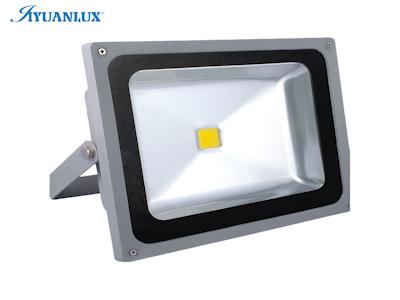
Установка водонепроницаемых фонарей в саду — это отличный способ преобразить ваш outdoor-пространство, добавив ему уюта, безопасности и эстетики. Самостоятельный монтаж не только экономит деньги, но и позволяет tailor освещение под ваши конкретные нужды. В этой статье мы подробно разберем все аспекты процесса: от выбора оборудования до финальной настройки. Если вы новичок в DIY-проектах, не волнуйтесь — мы предусмотрели простые шаги и практические советы, чтобы сделать установку максимально доступной.
1. Введение в садовое освещение
Садовое освещение играет ключевую роль в создании атмосферы на вашем участке. Оно не только подчеркивает красоту растений и архитектурных элементов, но и обеспечивает безопасность, освещая пути и отпугивая нежелательных гостей. Водонепроницаемые фонари, в частности, идеально подходят для уличного использования, так как они устойчивы к дождю, снегу и другим погодным условиям. С развитием LED-технологий, такие фонари стали энергоэффективными и долговечными, что делает их популярным выбором для современных садов.
Прежде чем приступить к установке, важно понять основные типы садовых фонарей. Они могут быть solar-powered (на солнечных батареях), low-voltage (низковольтные), или mains-powered (подключенные к сети). В этой статье мы focus на низковольтные и solar варианты, как наиболее безопасные и простые для самостоятельной установки. Кроме того, мы обсудим, как интегрировать освещение с existing ландшафтным дизайном, чтобы добиться гармоничного вида.
2. Преимущества водонепроницаемых фонарей
Водонепроницаемые фонари offer ряд преимуществ, которые делают их незаменимыми для сада. Во-первых, их durability: они designed to withstand harsh weather, meaning you won't have to replace them frequently. Во-вторых, energy efficiency: LED-лампы consume up to 80% less energy than traditional incandescent bulbs, reducing your electricity bills. В-третьих, safety: since they are sealed, there's no risk of short circuits from moisture, which is crucial for outdoor use.
Кроме того, такие фонари often come with adjustable features, such as dimming or color temperature control, allowing you to customize the ambiance. For example, warm white light can create a cozy atmosphere, while cool white is better for security purposes. Installing them yourself adds a personal touch and can be a rewarding project that enhances your gardening skills.
3. Выбор подходящего оборудования
Правильный выбор equipment is the foundation of a successful installation. Start by assessing your garden's layout: identify key areas like pathways, flower beds, or water features that need lighting. Then, select фонари based on their IP rating (Ingress Protection), which indicates their waterproof level. For most gardens, an IP65 or higher is sufficient, as it protects against dust and water jets.
Consider the power source: solar-powered lights are easy to install since they require no wiring, but they may not be as bright or reliable in cloudy weather. Low-voltage systems (12V or 24V) are safer than mains voltage and can be connected to a transformer, offering consistent performance. Make a list of tools you'll need: a shovel, wire cutters, a multimeter, and possibly a drill if mounting on hard surfaces. Don't forget protective gear like gloves and safety glasses.
When shopping, look for brands with good warranties and customer reviews. LED bulbs should have a high lumen output for brightness and a long lifespan (often 25,000 hours or more). If you're on a budget, start with a basic kit that includes multiple lights and a transformer, then expand as needed.
4. Подготовка к установке: планирование и материалы
Планирование is crucial to avoid mistakes. Draw a rough sketch of your garden, marking where you want each light. This helps determine the length of cables and the number of lights required. Calculate the total wattage of all lights to ensure your transformer can handle the load—usually, transformers are rated for a specific wattage, so choose one that exceeds your total by about 20% for safety.
Gather all materials: фонари, cables (use outdoor-rated, waterproof cables), transformer (if using low-voltage), connectors, and stakes or mounts for placement. If you're installing solar lights, check that the solar panels will receive ample sunlight during the day. Clear the area of debris and obstacles before starting. It's also a good idea to check local regulations regarding outdoor electrical work, though low-voltage systems typically don't require permits.
Test the lights before installation to ensure they work properly. This saves time and frustration later. If possible, do a dry run by placing the lights temporarily to see how they look at night—adjust positions as needed for optimal effect.
5. Пошаговая инструкция по установке
Шаг 1: Установите трансформатор (для низковольтных систем). Разместите его в защищенном месте, near an outdoor power outlet. Подключите к сети, соблюдая инструкции производителя. Убедитесь, что он выключен during installation.
Шаг 2: Проложите кабели. Используйте лопату, чтобы выкопать неглубокие траншеи (около 10-15 см) для прокладки кабелей. Это защитит их от повреждений и сделает installation neat. Если кабели must cross paths, bury them deeper or use protective conduit.
Шаг 3: Подключите фонари. Соедините каждый фонарь с кабелем using waterproof connectors. Follow the manufacturer's wiring diagram—usually, it's a simple parallel connection. Ensure all connections are tight and insulated to prevent moisture ingress.
Шаг 4: Разместите фонари. Вставьте их в грунт или прикрепите к поверхностям using provided mounts. Adjust the angle for desired lighting effect. For solar lights, simply stake them into the ground and ensure the solar panel faces south for maximum sun exposure.
Шаг 5: Проверьте систему. Включите transformer and test each light. Use a multimeter to check for voltage drops if necessary. Make adjustments as needed, such as repositioning lights or tightening connections.
Шаг 6: Замаскируйте кабели. Засыпьте траншеи землей и, если нужно, добавьте mulch или plants to hide the cables. This improves aesthetics and protects the installation.
6. Советы по безопасности и обслуживанию
Безопасность should always be a priority. When working with electricity, even low-voltage, turn off the power at the source. Avoid installing lights near water sources unless they are specifically designed for it. Regularly inspect the system for wear and tear, especially after extreme weather.
Для обслуживания, clean the lenses of the lights periodically to maintain brightness. For solar lights, wipe the solar panels to ensure efficient charging. In winter, if you live in a cold climate, consider removing or covering lights to prevent damage from ice. Store transformers in a dry place when not in use.
If you encounter issues like dim lights or flickering, check connections and voltage levels. Most problems can be fixed by reseating connectors or replacing faulty components. Keep spare parts on hand for quick repairs.
7. Заключение и дополнительные идеи
Установка водонепроницаемых фонарей в саду — это achievable project that can dramatically enhance your outdoor space. By following these steps, you can create a beautiful, functional lighting system that adds value to your home. Remember, the key to success is careful planning and attention to detail.
For further customization, explore smart lighting options that allow control via smartphone apps, or add timers and sensors for automation. Share your results with friends or online communities to inspire others. With a little effort, your garden can become a nighttime oasis that you'll enjoy for years to come.
Если у вас есть вопросы или need more advice, don't hesitate to consult professionals or online resources. Happy lighting!