

 Главная страница
Современные водонепроницаемые светильники незаменимы для уличного освещения
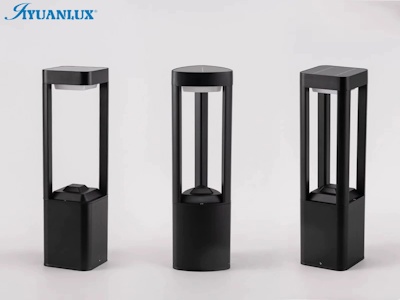
В современном мире уличное освещение играет ключевую роль в обеспечении безопасности, комфорта и экономической эффективности городской инфраструктуры. С развитием технологий, водонепроницаемые светильники стали незаменимым элементом для освещения улиц, парков, автострад и других общественных пространств. Эти устройства не только устойчивы к неблагоприятным погодным условиям, но и предлагают множество преимуществ, таких как энергоэффективность, долговечность и экологическая безопасность. В этой статье мы подробно рассмотрим, почему современные водонепроницаемые светильники так важны, их основные характеристики, технологии, стоящие за ними, и как они трансформируют уличное освещение по всему миру.
Введение в тему уличного освещения
Уличное освещение имеет долгую историю, начиная с древних времен, когда люди использовали факелы и масляные лампы для освещения дорог. С течением времени технологии эволюционировали: газовые фонари, лампы накаливания, а затем и люминесцентные лампы стали стандартом. Однако, с появлением светодиодных (LED) технологий, уличное освещение пережило революцию. LED светильники предлагают существенные преимущества по сравнению с традиционными источниками света, включая более высокую энергоэффективность, меньшие затраты на обслуживание и улучшенное качество света.
Одним из ключевых аспектов современного уличного освещения является водонепроницаемость. Уличные светильники постоянно подвергаются воздействию дождя, снега, влаги и других environmental factors. Без надлежащей защиты, эти элементы могут привести к коротким замыканиям, коррозии и преждевременному выходу из строя оборудования. Поэтому водонепроницаемые светильники, разработанные с использованием advanced materials and sealing technologies, стали essential для обеспечения надежности и долговечности систем освещения.
В этой статье мы углубимся в детали, объясняя, как водонепроницаемые светильники работают, их benefits, and how they are shaping the future of urban lighting. We will also discuss case studies, economic impacts, and environmental considerations, providing a comprehensive overview for readers interested in this topic.
Преимущества водонепроницаемых светильников
Водонепроницаемые светильники offer numerous advantages that make them indispensable for outdoor lighting. First and foremost, their ability to withstand harsh weather conditions ensures uninterrupted operation. This is particularly important in regions with extreme climates, where rain, snow, or high humidity can damage conventional lighting systems. By using IP (Ingress Protection) ratings, these fixtures are designed to resist water ingress, with common ratings like IP65 or IP67 indicating high levels of protection against dust and water.
Another significant benefit is energy efficiency. Modern waterproof luminaires often incorporate LED technology, which consumes up to 80% less energy than traditional incandescent or fluorescent lights. This not only reduces electricity bills but also lowers carbon emissions, contributing to environmental sustainability. Additionally, LEDs have a longer lifespan, typically lasting 50,000 to 100,000 hours, which means fewer replacements and reduced maintenance costs.
Safety is another critical aspect. Well-lit streets deter crime and accidents, making communities safer for pedestrians and drivers. Waterproof fixtures ensure that lighting remains functional even during storms, preventing dark spots that could lead to hazardous situations. Moreover, these luminaires are often designed with anti-glare features, improving visibility and reducing light pollution, which is beneficial for both humans and wildlife.
From an economic perspective, the initial investment in waterproof LED lighting is offset by long-term savings. Governments and municipalities can achieve substantial cost reductions through lower energy consumption and maintenance. For example, cities that have switched to LED street lighting report savings of millions of dollars annually. This makes waterproof luminaires a smart choice for public infrastructure projects.
In summary, the advantages of waterproof luminaires include durability, energy savings, enhanced safety, and economic benefits. These factors collectively make them an essential component of modern outdoor lighting systems.
Технологии behind водонепроницаемых светильников
The development of waterproof luminaires relies on advanced technologies in materials science, electronics, and design. Key components include the housing, sealing mechanisms, and the light source itself. Typically, the housing is made from corrosion-resistant materials such as aluminum alloys or polycarbonate, which provide strength and longevity. These materials are treated with coatings to prevent rust and degradation from UV exposure.
Sealing is crucial for waterproofing. Gaskets and O-rings made from silicone or other elastomers are used to create airtight and watertight seals at joints and interfaces. The IP rating system standardized by the International Electrotechnical Commission (IEC) defines the level of protection. For instance, IP65 rated luminaires are dust-tight and protected against water jets, while IP67 can withstand temporary immersion in water. This ensures that the internal components, such as drivers and LEDs, remain safe from moisture.
LED technology is at the heart of modern waterproof luminaires. LEDs are solid-state devices that generate light through electroluminescence, making them more efficient and reliable than traditional bulbs. They produce less heat, which reduces the risk of overheating and extends the lifespan. Drivers, which regulate power to the LEDs, are also designed to be waterproof and efficient, often incorporating smart features like dimming and remote control.
Smart lighting systems are an emerging trend. These integrate sensors and connectivity options, such as Wi-Fi or cellular networks, allowing for real-time monitoring and control. For example, lights can be dimmed during low-traffic hours to save energy or brightened in response to detected movement. This not only enhances efficiency but also enables predictive maintenance, where issues can be addressed before they cause failures.
Innovations in thermal management are also important. Heat sinks and ventilation designs help dissipate heat, preventing damage to electronic components. Some advanced models use passive cooling techniques or active cooling systems to maintain optimal temperatures.
Overall, the technology behind waterproof luminaires is a blend of robust materials, precise engineering, and intelligent electronics, ensuring they perform reliably in diverse outdoor environments.
Применение в различных сферах
Waterproof luminaires are used in a wide range of outdoor applications, each with specific requirements. In urban settings, they are essential for street lighting, providing illumination for roads, sidewalks, and public squares. This enhances visibility for drivers and pedestrians, reducing accident rates and improving overall safety. Cities like Moscow and St. Petersburg have extensively adopted LED waterproof fixtures to modernize their lighting infrastructure.
Parks and recreational areas also benefit from these luminaires. They create inviting environments for evening activities, such as jogging or social gatherings, while ensuring safety. Waterproof designs are necessary to handle exposure to elements like rain or sprinkler systems in gardens.
Highway and tunnel lighting is another critical application. Here, reliability is paramount, as failures can lead to serious accidents. Waterproof luminaires with high IP ratings are used to withstand the constant exposure to vehicle emissions, moisture, and vibrations. They often feature specialized optics to minimize glare and provide uniform light distribution.
Industrial areas, such as ports, warehouses, and construction sites, rely on waterproof lighting for operational safety. These environments can be harsh, with potential exposure to chemicals, dust, and water. Robust luminaires ensure that work can continue safely during night shifts or inclement weather.
Residential outdoor lighting, including for gardens, pathways, and building facades, also utilizes waterproof fixtures. Homeowners appreciate the aesthetics and functionality, as these lights enhance curb appeal and security. Smart options allow for customization, such as color changing or motion activation.
In summary, waterproof luminaires are versatile and indispensable across multiple sectors, from public infrastructure to private properties, due to their durability and efficiency.
Экономический и экологический impact
The adoption of waterproof LED luminaires has significant economic and environmental impacts. Economically, the shift to LED technology results in substantial cost savings. For municipalities, energy costs can be reduced by up to 50-70% compared to traditional lighting. Maintenance costs are also lower due to the longer lifespan of LEDs, which means fewer replacements and less labor. A study by the U.S. Department of Energy estimated that widespread LED adoption could save billions of dollars annually in energy costs alone.
Environmental benefits are equally important. LED luminaires consume less electricity, which reduces greenhouse gas emissions from power plants. They contain no hazardous materials like mercury, which is present in fluorescent lights, making disposal safer and reducing environmental contamination. Additionally, the reduced need for manufacturing and transporting replacement bulbs lowers the carbon footprint associated with the lighting industry.
Waterproof features contribute to sustainability by extending the product's life, reducing waste. When luminaires are durable and resistant to weather, they last longer, which means fewer resources are needed for production and disposal. This aligns with circular economy principles, where products are designed for longevity and recyclability.
Governments and organizations often incentivize the switch to energy-efficient lighting through subsidies or regulations. For instance, the European Union's Ecodesign Directive promotes the use of efficient products, including lighting. This not only drives adoption but also fosters innovation in the industry.
In conclusion, the economic and environmental advantages of waterproof luminaires make them a win-win solution, offering cost savings while promoting sustainability.
Будущие тенденции и инновации
The future of waterproof luminaires is bright, with ongoing innovations aimed at enhancing performance, efficiency, and functionality. One emerging trend is the integration of Internet of Things (IoT) technology. Smart luminaires can be connected to networks, allowing for centralized control and data analytics. This enables features like adaptive lighting, where brightness adjusts based on real-time conditions such as traffic flow or weather, further optimizing energy use.
Another area of development is in materials science. Researchers are exploring new composites and nanomaterials that offer better durability and lighter weight. For example, graphene-enhanced materials could provide superior thermal conductivity and strength, improving the efficiency and lifespan of luminaires.
Energy harvesting technologies are also being incorporated. Some prototypes include solar panels or kinetic energy harvesters that power the lights independently, reducing reliance on the grid. This is particularly useful in remote areas or for emergency lighting.
Human-centric lighting is gaining attention, focusing on how light affects well-being. Future luminaires may adjust color temperature to mimic natural daylight patterns, promoting better sleep and productivity for people in urban environments.
Additionally, advancements in manufacturing, such as 3D printing, could lead to more customizable and cost-effective designs. This allows for tailored solutions specific to different applications and environments.
Overall, the future will see waterproof luminaires becoming smarter, more efficient, and more integrated into smart city initiatives, continuing to revolutionize outdoor lighting.
Заключение
В заключение, современные водонепроницаемые светильники действительно незаменимы для уличного освещения. Их способность противостоять суровым погодным условиям, combined with energy efficiency, safety enhancements, and economic benefits, makes them a cornerstone of modern infrastructure. As technology advances, these luminaires will only become more intelligent and sustainable, further transforming how we light our outdoor spaces. Whether for cities, industries, or homes, investing in waterproof lighting is a step towards a brighter, safer, and more efficient future.
We encourage readers to consider upgrading to waterproof LED solutions for their lighting needs, leveraging the numerous advantages discussed in this article. By doing so, they can contribute to a more sustainable world while enjoying practical benefits in their daily lives.