
Информационный центр
 Главная страница
Освещение вашего рабочего дня с умным светом
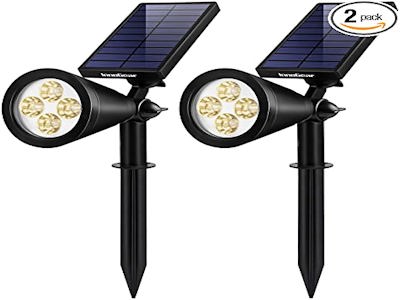
В современном мире, где производительность и здоровье становятся ключевыми приоритетами, освещение играет решающую роль. Умный свет — это не просто модный тренд, а технологическая революция, которая меняет наше восприятие рабочего пространства. Представьте себе: ваше освещение адаптируется к вашему расписанию, настроению и задачам, создавая идеальную среду для концентрации, творчества и отдыха. В этой статье мы глубоко погрузимся в мир умного освещения, исследуя его преимущества, технологии и практические применения для вашего рабочего дня. От основ до продвинутых настроек, вы узнаете, как интегрировать умный свет в свою жизнь и максимизировать его потенциал.
Что такое умный свет и почему он важен?
Умный свет — это система освещения, которая использует технологии IoT (Интернет вещей) для автоматического управления яркостью, цветовой температурой и другими параметрами. В отличие от традиционных ламп, умные светильники могут подключаться к смартфонам, голосовым помощникам и другим устройствам, позволяя настраивать освещение удаленно или по расписанию. Важность умного света заключается в его способности влиять на наше самочувствие и продуктивность. Исследования показывают, что неправильное освещение может вызывать усталость, стресс и даже проблемы со зрением. Например, холодный белый свет (с высокой цветовой температурой) идеален для утренних часов, так как он стимулирует бодрость, в то время как теплый свет вечером помогает расслабиться. Умный свет автоматически переключает эти режимы, создавая естественный цикл освещения, подобный солнечному свету.
Кроме того, умный свет способствует энергоэффективности. По данным Energy Star, умные LED-лампы могут снизить энергопотребление на up to 80% compared to incandescent bulbs. Это не только экономит деньги, но и сокращает углеродный след, что делает его экологически ответственным выбором. В рабочей среде, где освещение часто включено в течение всего дня, это может привести к значительной экономии. Например, в офисах умные системы могут detect occupancy and dim lights in unoccupied areas, further optimizing energy use.
Как умный свет улучшает продуктивность?
Продуктивность на рабочем месте сильно зависит от окружающей среды, и освещение является одним из ключевых факторов. Умный свет может значительно повысить концентрацию и эффективность за счет адаптации к различным задачам. Например, для задач, требующих высокой точности (таких как программирование или бухгалтерия), можно установить яркий, холодный свет с цветовой температурой around 5000K, который reduces eye strain and improves focus. Conversely, for creative tasks like brainstorming or design, warmer light at 3000K can foster a relaxed and innovative atmosphere.
Studies from institutions like Harvard University have shown that proper lighting can increase productivity by up to 20%. Smart lighting takes this a step further by allowing personalized settings. With apps and voice commands, you can create scenes like "Focus Mode" or "Meeting Mode" that adjust lighting instantly. For instance, during a video conference, smart lights can be set to enhance your appearance on camera by providing even, flattering light. This not only boosts your confidence but also ensures professional communication.
Moreover, smart lighting integrates with other smart devices to create a seamless workflow. For example, it can sync with your calendar to change lighting based on scheduled meetings or breaks. If you have a 10 AM meeting, the lights can gradually brighten to wake you up, and during lunch break, they can dim to signal rest time. This automation reduces cognitive load, allowing you to focus on important tasks without distractions.
Технологии behind умного света: от LED до IoT
The foundation of smart lighting lies in advanced technologies. LED (Light Emitting Diode) technology is the backbone, offering longevity, efficiency, and color versatility. Modern LEDs can last up to 25,000 hours, compared to 1,000 hours for incandescent bulbs, making them a cost-effective choice in the long run. They also produce less heat, which is crucial for comfort in workspaces.
IoT connectivity enables smart lights to communicate with other devices via protocols like Wi-Fi, Bluetooth, or Zigbee. This allows for remote control through smartphones or voice assistants like Amazon Alexa, Google Assistant, or Apple HomeKit. For example, you can use an app to set schedules, such as turning lights on at sunrise and off at sunset, mimicking natural light patterns. This is particularly beneficial for regulating circadian rhythms, which are essential for sleep quality and overall health.
Additionally, smart lights often include sensors for motion, ambient light, and color detection. These sensors enable features like automatic dimming based on natural light availability or turning lights off when no one is in the room. Some high-end systems even use machine learning to learn your preferences over time and adjust lighting proactively. For instance, if you typically work late, the system might gradually warm the light in the evening to reduce blue light exposure, which can interfere with sleep.
Практические шаги по внедрению умного света в ваш рабочий день
Integrating smart lighting into your daily routine is easier than ever. Start by assessing your workspace: identify areas where lighting is critical, such as your desk, meeting room, or common areas. Choose smart bulbs or fixtures that fit your needs—options range from affordable bulbs like Philips Hue to comprehensive systems from brands like LIFX or Sengled.
Next, set up the hardware. Most smart lights simply screw into existing fixtures and connect to a hub or directly to your Wi-Fi. Download the companion app to configure settings. Create custom scenes: for example, a "Work Mode" with bright, cool light for mornings, a "Break Mode" with softer light for lunch, and a "Wind Down Mode" with warm light for evenings. You can also set schedules based on your work hours; if you work from 9 AM to 5 PM, program the lights to turn on at 8:30 AM and gradually dim after 5 PM.
For advanced integration, connect your smart lights to other devices. Use IFTTT (If This Then That) or similar platforms to create automations. For instance, if your smartwatch detects that you've been sedentary for too long, it could trigger the lights to flash gently, reminding you to take a break. Or, sync with weather apps to adjust lighting on cloudy days for better visibility.
Finally, monitor and tweak your setup. Smart lighting systems often provide energy usage reports, helping you track savings. Experiment with different color temperatures and brightness levels to find what works best for you. Remember, the goal is to create a lighting environment that supports your well-being and productivity throughout the day.
Здоровье и умный свет: забота о глазах и circadian rhythms
One of the most significant benefits of smart lighting is its impact on health. Poor lighting can lead to digital eye strain, headaches, and sleep disorders. Smart lights address this by reducing blue light emission in the evening. Blue light, prevalent in screens and cool LEDs, suppresses melatonin production, making it harder to fall asleep. By automating warmer tones after sunset, smart lighting helps maintain natural sleep-wake cycles.
Research from the National Institutes of Health indicates that exposure to appropriate light during the day can improve mood and reduce symptoms of seasonal affective disorder (SAD). Smart lights can simulate sunrise and sunset, gradually increasing light in the morning to wake you naturally and dimming it at night to promote relaxation. This is especially useful for home offices, where the boundary between work and personal life can blur.
Furthermore, smart lighting can enhance visual comfort. Features like flicker-free technology and high Color Rendering Index (CRI) ensure that light is steady and accurate, reducing glare and eye fatigue. For those with specific health conditions, such as migraines or light sensitivity, customizable settings allow for dimmer or softer lighting that minimizes discomfort.
Экономические и экологические преимущества умного света
Beyond health and productivity, smart lighting offers tangible economic and environmental benefits. The initial investment in smart bulbs might be higher than traditional options, but the long-term savings are substantial. LED smart bulbs consume up to 80% less energy and last much longer, reducing replacement costs. For a typical home office, this could save hundreds of dollars annually on electricity bills.
Environmentally, smart lighting contributes to sustainability. By optimizing energy use through automation and sensors, it reduces unnecessary consumption. Many smart systems are made with recyclable materials and are designed for easy disposal. Additionally, the ability to control lights remotely means you can turn them off when not needed, even if you're away from home, further cutting down on waste.
Governments and organizations often offer incentives for energy-efficient upgrades, such as tax credits or rebates, making smart lighting even more affordable. By adopting smart light, you're not only improving your own space but also supporting broader efforts to combat climate change.
Будущее умного освещения: тренды и инновации
The future of smart lighting is bright with innovations on the horizon. We're seeing the integration of artificial intelligence (AI) for more intuitive control. AI-powered systems can analyze your habits and adjust lighting without manual input, creating a truly personalized experience. For example, lights might learn that you prefer brighter light on rainy days and automatically compensate.
Another trend is the expansion into Li-Fi (Light Fidelity), where light waves are used to transmit data, offering internet connectivity through lighting fixtures. This could revolutionize workspaces by providing fast, secure internet without additional hardware.
Moreover, smart lighting is becoming more accessible and affordable. With advancements in technology, prices are dropping, and compatibility is improving across different brands and ecosystems. This means that soon, smart light will be a standard feature in homes and offices worldwide, transforming how we interact with our environments.
Заключение: освещайте свой путь к успеху
Умный свет — это больше, чем просто технология; это инструмент для enhancing your workday and overall quality of life. By embracing smart lighting, you can boost productivity, protect your health, save money, and contribute to a greener planet. Start small with a single smart bulb and gradually expand to create a fully integrated system. Remember, the key is customization—tailor your lighting to fit your unique needs and routines.
As we move towards a more connected world, smart lighting will continue to evolve, offering even more ways to optimize our spaces. Don't wait—illuminate your workday with smart light and experience the transformation firsthand. Your future self will thank you for the improved focus, comfort, and efficiency.
For further reading, explore resources from organizations like the Illuminating Engineering Society or check out product reviews to find the best smart lighting solutions for your setup. Embrace the light, and let it guide you to a brighter, more productive day.