
Информационный центр
 Главная страница
Выбираем современный торшер от дизайна до функционала
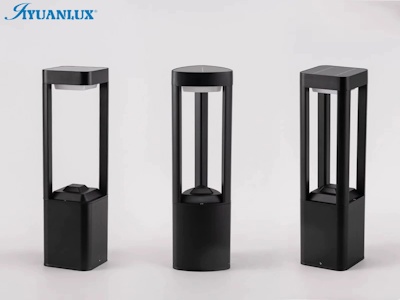
В современном мире интерьерного дизайна освещение играет ключевую роль не только в создании комфортной атмосферы, но и в подчеркивании стиля и индивидуальности пространства. Торшеры, как один из наиболее универсальных и эстетичных источников света, стали незаменимыми элементами в домах и квартирах. Они не просто освещают комнату, но и служат декоративными акцентами, способными преобразить любое помещение. Однако выбор подходящего торшера – это сложная задача, требующая внимания ко множеству аспектов: от дизайна и материалов до функциональных особенностей и энергоэффективности. В этой статье мы подробно разберем, как выбрать современный торшер, который идеально впишется в ваш интерьер и удовлетворит все ваши потребности.
История и эволюция торшера: от классики к современности
Торшеры имеют богатую историю, которая началась еще в древние времена. Первые прототипы напольных светильников появились в Древнем Египте и Риме, где они использовались для освещения больших помещений с помощью масляных ламп или свечей. Эти ранние конструкции были простыми и функциональными, часто сделанными из металла или дерева, и служили primarily для практических целей.
В эпоху Возрождения торшеры начали приобретать более декоративный характер. Богато украшенные designs с intricate деталями стали символами статуса и роскоши в домах аристократии. С развитием технологий, особенно с изобретением электричества в XIX веке, торшеры претерпели значительные изменения. Появление электрических ламп позволило создавать более безопасные и эффективные светильники, что привело к их массовому распространению в домашних интерьерах.
В XX веке, с rise модернизма и минимализма, дизайн торшеров стал более функциональным и лаконичным. Такие iconic designs, как торшер Arco от Achille Castiglioni, продемонстрировали, как можно combine форму и функцию в одном изделии. Сегодня, в XXI веке, modern торшеры embody инновации в materials, technology, and sustainability, offering endless possibilities for customization and integration into smart homes.
The evolution of торшеры отражает broader trends в обществе: от utilitarian objects to statement pieces that enhance both aesthetics and functionality. Understanding this history helps appreciate the diversity available today and informs better choices when selecting a contemporary model.
Ключевые аспекты дизайна современного торшера
Дизайн – это первое, на что обращают внимание при выборе торшера. Он должен harmonize с общим стилем интерьера, whether it's minimalist, industrial, Scandinavian, or eclectic. Современные торшеры often feature clean lines, geometric shapes, and a focus on materials like metal, glass, wood, or plastic. For example, a torchiere-style торшер with upward-facing light creates a soft, ambient glow, ideal for living rooms, while a arc lamp adds a dramatic focal point.
Color and finish are also crucial. Neutral tones like black, white, or silver offer versatility, while bold colors can serve as accent pieces. The size and proportion should be proportionate to the room; a large торшер might overwhelm a small space, whereas a petite one could get lost in a vast area. Additionally, consider the base and shade design – a weighted base ensures stability, and the shade material (e.g., fabric, paper, or metal) affects light diffusion and ambiance.
Innovations in design include adjustable features, such as swivel arms or height adjustments, which enhance functionality. Brands like IKEA, Philips Hue, and designer labels offer models that blend aesthetics with practicality, ensuring that the торшер not only looks good but also serves its purpose effectively.
Функциональность: beyond basic illumination
Modern торшеры are not just about light; they incorporate advanced functionalities to meet diverse needs. Dimmable options allow users to control brightness levels, creating moods from bright task lighting to soft ambient glow. Smart торшеры with Wi-Fi or Bluetooth connectivity can be controlled via smartphones or voice assistants like Alexa or Google Assistant, enabling features like scheduling, color changing, and integration with home automation systems.
Energy efficiency is another key aspect. LED technology has revolutionized торшеры, offering long-lasting, low-energy consumption lights that reduce electricity bills and environmental impact. Some models include USB ports for charging devices, built-in shelves, or even speakers, turning the торшер into a multifunctional hub.
When evaluating functionality, consider the primary use: for reading, choose a торшер with directed light and adjustable neck; for general ambiance, opt for models with diffused lighting. Safety features like tip-over protection and cool-to-touch surfaces are essential, especially in homes with children or pets.
Материалы и качество изготовления
The materials used in a торшер affect its durability, aesthetics, and price. High-quality metals like brushed steel or aluminum offer sleek, modern looks and longevity, while wood adds warmth and natural appeal. Glass and acrylic can create elegant, light-diffusing effects, but may be more fragile. Fabric shades are common for soft light, but require careful cleaning.
Construction quality is vital; look for sturdy joints, secure wiring, and certifications like CE or UL for safety. Investing in a well-made торшер from reputable brands ensures it will last years without issues. Eco-friendly materials, such as recycled metals or sustainable wood, are increasingly popular, aligning with growing environmental consciousness.
Советы по выбору и интеграции в интерьер
To choose the right торшер, start by assessing your space. Measure the room size and identify the purpose – is it for a corner, beside a sofa, or as a statement piece? Consider the existing color palette and furniture style to ensure cohesion. For small rooms, slim or minimalist designs work best, while larger spaces can handle bold, architectural pieces.
Test the light output in person if possible, or read reviews to understand brightness and color temperature (measured in Kelvin; warmer tones around 2700K for cozy settings, cooler around 5000K for task areas). Budget is important; prices range from affordable options under $50 to high-end designs over $500. Balance cost with features and durability.
For integration, place the торшер where it complements other light sources, such as overhead lights or table lamps. Use it to highlight artwork, create reading nooks, or define zones in open-plan areas. Regular maintenance, like dusting and bulb replacement, will keep it looking and functioning well.
Заключение: making an informed choice
Selecting a modern торшер involves a blend of aesthetic appreciation and practical consideration. By understanding the history, design elements, functionalities, materials, and integration tips, you can make a choice that enhances your home's beauty and utility. Remember, a great торшер is not just a light source; it's an investment in your living environment, contributing to comfort, style, and efficiency. Take your time, explore options, and choose one that truly reflects your personality and meets your needs.
In summary, the journey to finding the perfect торшер is rewarding. Embrace the process, and enjoy the illuminated transformation of your space.