
Информационный центр
 Главная страница
Теплый свет создает уют в вашем доме
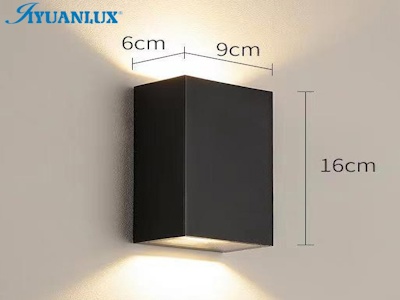
Дом – это не просто место, где мы живем; это наше убежище, наша крепость, пространство, где мы отдыхаем, радуемся и создаем воспоминания. И одним из ключевых элементов, который может преобразить любое жилище, является свет. Но не просто любой свет, а именно теплый свет. В этой статье мы глубоко погрузимся в мир освещения, чтобы понять, как теплый свет способен создать неповторимый уют в вашем доме. Мы рассмотрим научные основы, психологические аспекты, практические советы и многое другое. Приготовьтесь к увлекательному путешествию, которое изменит ваше представление о домашнем интерьере!
Что такое теплый свет и почему он так важен?
Теплый свет – это тип освещения, который характеризуется желтоватым или оранжевым оттенком, напоминающим свет заката или пламя свечи. В физике свет измеряется в кельвинах (K): теплый свет обычно имеет цветовую температуру от 2000K до 3000K. Для сравнения, холодный свет (например, дневной или fluorescent) находится в диапазоне 5000K и выше, придавая пространству более резкий и стерильный вид.
Почему теплый свет так важен для уюта? Во-первых, он ассоциируется с природными явлениями, такими как восход и закат солнца, которые эволюционно вызывают у нас чувство спокойствия и безопасности. Во-вторых, теплый свет мягко освещает поверхности, уменьшая тени и создавая равномерное, invitng atmosphere. Исследования в области психологии показывают, что exposure to warm light can reduce stress levels and improve mood, making it ideal for home environments where relaxation is key.
В отличие от холодного света, который часто используется в офисах или больницах для повышения продуктивности и бдительности, теплый свет encourages winding down and social interaction. Imagine coming home after a long day: the gentle glow of a table lamp immediately makes you feel more at ease, while harsh fluorescent lighting might keep you on edge. This is why choosing the right light is not just about aesthetics; it's about enhancing your quality of life.
Научное обоснование: как свет влияет на наше восприятие
Чтобы fully appreciate the power of warm light, let's delve into the science behind it. Light is perceived by photoreceptors in our eyes, which send signals to the brain's hypothalamus – the region responsible for regulating circadian rhythms, mood, and emotions. Warm light, with its longer wavelengths, stimulates the production of melatonin, the hormone that promotes sleep and relaxation. In contrast, blue light (common in cool lighting and screens) can suppress melatonin, leading to sleep disturbances and increased alertness.
Studies have shown that environments with warm lighting are perceived as more comfortable and inviting. For example, a 2018 study published in the Journal of Environmental Psychology found that participants rated rooms with warm light as cozier and more pleasant than those with cool light. This is partly because warm light enhances the appearance of skin tones and natural materials like wood, making spaces feel more human and less artificial.
Moreover, warm light can improve visual comfort by reducing glare and eye strain. This is particularly important in homes, where we spend hours reading, watching TV, or simply relaxing. By opting for warm lighting, you're not only creating a cozy atmosphere but also supporting your overall well-being.
Типы источников теплого света для дома
When it comes to incorporating warm light into your home, there are numerous options to choose from. Here are some of the most popular and effective sources:
- Лампы накаливания: Traditional incandescent bulbs produce a very warm light (around 2700K) and are great for creating a nostalgic, homely feel. However, they are less energy-efficient and are being phased out in many regions.
- Светодиоды (LED): Modern LED technology allows for precise control over color temperature. You can find LED bulbs that emit warm light (2700K-3000K) while being energy-efficient and long-lasting. They are ideal for general lighting and accent pieces.
- Галогенные лампы: Similar to incandescent bulbs, halogens offer warm light and good color rendering, making colors appear more vibrant. They are often used in track lighting or under-cabinet lights.
- Люминесцентные лампы с warm tone: While typically associated with cool light, there are warm-toned fluorescent options available, though they are less common in residential settings due to their less appealing light quality.
- Естественные источники: Don't forget about natural light! During golden hour (sunrise and sunset), sunlight provides beautiful warm tones. Use curtains or shades to diffuse and enhance this effect indoors.
Each type has its pros and cons, so consider factors like energy efficiency, lifespan, and the specific ambiance you want to create. For instance, LEDs are a sustainable choice, while incandescent bulbs might be perfect for a vintage-themed room.
Практические советы по использованию теплого света в разных комнатах
Now that you understand the benefits and types of warm light, let's explore how to apply it in various rooms of your home. Tailoring lighting to each space can maximize comfort and functionality.
Гостиная
The living room is often the heart of the home, a place for relaxation and socializing. Use a combination of overhead lighting, floor lamps, and table lamps with warm bulbs to create layers of light. Dimmer switches are excellent here, allowing you to adjust the intensity for different activities – brighter for reading, softer for movie nights. Place lights strategically to highlight artwork or cozy corners, enhancing the inviting atmosphere.
Спальня
In the bedroom, warm light is essential for promoting restful sleep. Avoid cool or blue light sources, especially before bedtime. Opt for bedside lamps with warm LEDs or incandescent bulbs. Consider installing dimmers or smart lights that can gradually dim in the evening to mimic sunset, helping your body prepare for sleep. Accent lighting, such as wall sconces, can add a touch of elegance without being too harsh.
Кухня
While task lighting in kitchens often benefits from cooler light for visibility, incorporating warm light can make the space feel more welcoming. Use under-cabinet lighting with warm tones to illuminate countertops, and add pendant lights over islands or dining areas with warm bulbs. This creates a balance between functionality and coziness, making meal prep and dining more enjoyable.
Ванная комната
Bathrooms are another area where warm light can work wonders. It flatters skin tones and creates a spa-like ambiance. Install vanity lights with warm LEDs around mirrors to reduce shadows, and consider adding a dimmer for relaxing baths. Avoid overly bright, cool lights that can make the space feel clinical.
Прихожая и коридоры
These transitional spaces benefit from warm light to make them feel inviting rather than utilitarian. Use wall sconces or ceiling fixtures with warm bulbs to guide movement and set a pleasant tone as you enter or move through the home.
By thoughtfully placing warm light sources, you can transform every room into a sanctuary of comfort. Experiment with different fixtures and placements to find what works best for your space and lifestyle.
Психологические преимущества теплого света
Beyond the physical aspects, warm light has profound psychological benefits. It can reduce anxiety, improve mood, and foster a sense of well-being. In a world where stress is common, coming home to a warmly lit environment can be a powerful antidote.
For families, warm light encourages bonding and communication. It creates an atmosphere where people feel comfortable opening up and spending quality time together. In therapeutic settings, warm lighting is often used to promote relaxation and healing, underscoring its positive impact on mental health.
Additionally, warm light can enhance creativity and contemplation. Many artists and writers prefer warm lighting in their studios because it reduces eye strain and helps maintain focus in a soothing environment. By integrating warm light into your home, you're not just decorating; you're investing in your emotional and psychological health.
Энергоэффективность и экологичность
One concern with warm light, especially from traditional incandescent bulbs, is energy consumption. However, modern alternatives like LEDs offer warm light while being highly energy-efficient. LEDs use up to 80% less energy than incandescent bulbs and last much longer, reducing waste and utility bills.
When shopping for bulbs, look for Energy Star ratings or similar certifications to ensure you're making an eco-friendly choice. By choosing efficient warm light sources, you contribute to sustainability without sacrificing comfort. It's a win-win for your home and the planet.
Заключение: создайте свой уютный рай с теплым светом
В заключение, теплый свет – это не просто элемент дизайна; это мощный инструмент для создания уюта, улучшения настроения и поддержания здоровья. От научных основ до практических советов, мы hope this article has inspired you to rethink your home's lighting. Start small – perhaps with a new lamp in the living room or a dimmer switch in the bedroom – and experience the transformation firsthand.
Remember, your home should be a reflection of your personality and a haven of comfort. With warm light, you can turn any space into a cozy retreat that welcomes you with open arms. So go ahead, embrace the glow, and let the warmth fill your home with joy and tranquility.
Thank you for reading, and may your home always be filled with the comforting embrace of warm light!