
Информационный центр
 Главная страница
Экологичные светодиодные лампы экономия энергии забота о природе
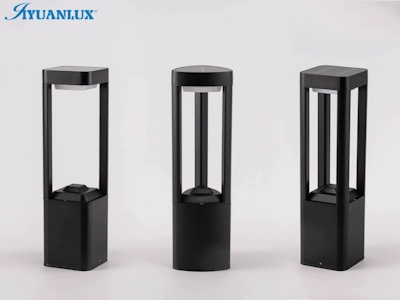
В современном мире, где экологические проблемы становятся все более актуальными, поиск устойчивых решений для повседневной жизни является не просто трендом, а необходимостью. Одним из таких решений являются светодиодные лампы, которые не только экономят энергию, но и вносят значительный вклад в защиту окружающей среды. В этой статье мы глубоко погрузимся в тему LED-освещения, раскрывая его преимущества, механизмы работы и практические аспекты использования. Мы обсудим, как простой переход на светодиоды может изменить ваш подход к энергопотреблению и помочь сохранить природу для будущих поколений.
Что такое светодиодные лампы и как они работают?
Светодиодные лампы, или LED-лампы (Light Emitting Diode), представляют собой современные источники света, основанные на полупроводниковой технологии. В отличие от традиционных ламп накаливания или люминесцентных ламп, светодиоды не используют нагрев нити или газовый разряд для генерации света. Вместо этого, электрический ток проходит через полупроводниковый материал, вызывая излучение фотонов — частиц света. Этот процесс, известный как электролюминесценция, является highly efficient, поскольку минимизирует потери энергии в виде тепла.
Основные компоненты светодиодной лампы включают:
- Светодиодный чип: Сердце лампы, где происходит преобразование электрической энергии в свет. Чипы изготавливаются из материалов like gallium arsenide или gallium nitride, которые позволяют контролировать цвет и интенсивность света.
- Драйвер: Электронная схема, которая регулирует ток и напряжение, обеспечивая стабильную работу светодиода. Это ключевой элемент для долговечности и эффективности.
- Радиатор: Хотя светодиоды выделяют меньше тепла, чем другие лампы, радиатор помогает рассеивать остаточное тепло, предотвращая перегрев и продлевая срок службы.
- Корпус и рассеиватель: Защищают внутренние компоненты и равномерно распределяют свет, создавая комфортное освещение.
Принцип работы светодиодов основан на p-n переходе в полупроводнике. Когда к нему прикладывается напряжение, электроны и дырки рекомбинируют, releasing energy in the form of light. Цвет света зависит от band gap материала: например, синие светодиоды используют indium gallium nitride, while white light often combines blue LED with phosphor coating to create a warm or cool white effect.
Эта технология не только efficient but also versatile. LED-лампы могут быть designed for various applications, from household lighting to industrial and outdoor use, offering dimmable options, color-changing capabilities, and smart integrations with home automation systems.
Экономия энергии: почему светодиоды outperform традиционные лампы
Одним из самых compelling преимуществ светодиодных ламп является их exceptional энергоэффективность. По сравнению с лампами накаливания, которые convert only about 5-10% of energy into light (the rest is wasted as heat), светодиоды achieve efficiencies of 80-90%. This means that for the same amount of light output, LED-лампы consume significantly less electricity.
Let's break down the numbers:
- Лампа накаливания: Typically uses 60 watts to produce around 800 lumens (a measure of brightness), with a lifespan of about 1,000 hours.
- Компактная люминесцентная лампа (КЛЛ): Uses about 13-15 watts for the same brightness, with a lifespan of 8,000-10,000 hours.
- Светодиодная лампа: Uses only 8-10 watts for 800 lumens, and can last 25,000-50,000 hours or more.
This translates to substantial savings on electricity bills. For example, if you replace a 60W incandescent bulb with a 10W LED bulb and use it for 4 hours per day, the annual energy saving is approximately (60-10) watts * 4 hours/day * 365 days / 1000 = 73 kWh. At an average electricity rate of 5 rubles per kWh, that's a saving of 365 rubles per year per bulb. Multiply that by the number of bulbs in a home, and the cumulative effect is impressive.
Moreover, LED-лампы have instant-on capability, meaning they reach full brightness immediately without the warm-up time required by CFLs. They are also less sensitive to frequent switching, which further enhances their efficiency in real-world scenarios like motion-sensor lighting or areas where lights are turned on and off frequently.
From a macroeconomic perspective, widespread adoption of LED lighting could reduce global electricity demand for lighting by up to 50%, according to studies by organizations like the International Energy Agency (IEA). This not only saves money for consumers but also reduces the strain on power grids and decreases the need for new power plants, many of which rely on fossil fuels.
Экологические преимущества: забота о природе через снижение углеродного следа
Забота о природе goes hand in hand with energy savings. LED-лампы contribute significantly to environmental protection by reducing greenhouse gas emissions and minimizing waste. Here's how:
Снижение выбросов CO2: Since LED bulbs use less electricity, they indirectly reduce carbon dioxide emissions from power generation. For instance, replacing one incandescent bulb with an LED can prevent about 400-500 kg of CO2 emissions over its lifetime, assuming electricity from a mix of sources. In regions where coal is a primary energy source, the reduction is even more pronounced.
Отсутствие toxic materials: Unlike compact fluorescent lamps (CFLs), which contain mercury—a hazardous substance that requires careful disposal—LED bulbs are free of toxic materials. This makes them safer for households and easier to recycle. Mercury contamination from broken CFLs can pose risks to human health and the environment, whereas LED breakage is less concerning.
Долгий срок службы: With lifespans of 25,000 to 50,000 hours, LED bulbs need to be replaced far less frequently than incandescent (1,000 hours) or CFL bulbs (8,000 hours). This reduces the volume of waste going to landfills. For example, one LED bulb can outlast 25 incandescent bulbs, meaning less manufacturing, packaging, and transportation-related emissions.
Рециклинг и утилизация: While LED bulbs are not perfect—they contain electronic components like drivers that should be recycled—many manufacturers and programs are improving recycling processes. Components such as aluminum heat sinks and plastics can be recovered and reused, further minimizing environmental impact.
Additionally, the production of LED bulbs has become more sustainable over time. Advances in manufacturing have reduced the energy and resources required, and some companies are using recycled materials or designing for disassembly to enhance circular economy principles.
By choosing LED lighting, consumers actively participate in reducing their ecological footprint. This aligns with global initiatives like the Paris Agreement and Sustainable Development Goals, emphasizing the role of individual actions in combating climate change.
Сравнение с другими типами ламп: почему светодиоды лидируют
To fully appreciate the benefits of LED lamps, it's essential to compare them with other lighting technologies. Let's examine key aspects:
Энергоэффективность: As mentioned, LEDs are the clear winners. Incandescent bulbs are highly inefficient, CFLs are better but still lag behind LEDs, and halogen bulbs (a type of incandescent) are similarly wasteful.
Срок службы: LEDs last up to 25 times longer than incandescent bulbs and 3-5 times longer than CFLs. This not only saves money on replacements but also reduces inconvenience.
Качество света: Modern LED lamps offer excellent color rendering index (CRI), often above 80, which means colors appear natural and vibrant. They are available in various color temperatures, from warm white (2700K) to cool white (6500K), allowing customization for different settings. In contrast, CFLs can have poorer CRI and may flicker or emit uneven light.
Экологичность: LEDs are mercury-free, whereas CFLs contain mercury, posing disposal challenges. Incandescent bulbs, while simple, waste energy and contribute more to emissions.
Стоимость: Initially, LED bulbs were expensive, but prices have dropped dramatically due to mass production and technological advances. Now, the total cost of ownership (including energy and replacement costs) is lower for LEDs than for any other type of bulb over time.
Универсальность: LEDs can be used in a wide range of applications, from dimmable indoor lighting to outdoor floodlights, and even in specialized settings like grow lights for plants. They are compatible with smart home systems, enabling features like remote control and automation.
In summary, while other lamps have their niches (e.g., incandescents for certain decorative uses), LEDs outperform them in almost every measurable way, making them the optimal choice for most lighting needs.
Практические советы по выбору и использованию светодиодных ламп
Switching to LED lighting is straightforward, but making informed choices can maximize benefits. Here are some practical tips:
Выбор правильной яркости: Look for lumens rather than watts. A good rule of thumb: for general lighting, aim for 800-1100 lumens (equivalent to a 60W incandescent). For task lighting, higher lumens may be needed.
Цветовая температура: Choose based on the room's purpose. Warm white (2700-3000K) is cozy for living rooms and bedrooms, while cool white (4000-5000K) is better for kitchens and offices where alertness is desired.
Совместимость с диммерами: Not all LED bulbs are dimmable. Check the packaging if you plan to use them with dimmer switches, and ensure the dimmer is compatible with LEDs to avoid flickering or reduced lifespan.
Качество и бренд: Opt for reputable brands that offer warranties and have good reviews. Cheap, unbranded LEDs may have shorter lifespans or poorer performance.
Установка и использование: LEDs generate less heat, but still ensure adequate ventilation around the bulb to prevent overheating. Avoid using them in enclosed fixtures unless specified as suitable, as heat buildup can shorten life.
Утилизация: Although LEDs are less hazardous, recycle them through electronic waste programs to recover valuable materials and prevent landfill accumulation.
By following these tips, you can enjoy the full benefits of LED lighting while contributing to energy savings and environmental protection.
Будущее светодиодного освещения: инновации и тенденции
The evolution of LED technology continues to accelerate, promising even greater efficiencies and new applications. Key trends include:
Повышение эффективности: Researchers are developing LEDs with higher lumens per watt, potentially reaching beyond 200 lumens/W (current best is around 150-180 lm/W). This could further reduce energy consumption.
Умное освещение: Integration with IoT (Internet of Things) allows for personalized lighting control via smartphones or voice assistants. Features like color tuning, scheduling, and energy monitoring are becoming standard.
Human-centric lighting: LEDs can mimic natural daylight patterns, supporting circadian rhythms and improving well-being in homes, offices, and healthcare settings.
Устойчивое производство: Efforts to use biodegradable materials, reduce carbon footprint in manufacturing, and enhance recyclability are gaining traction.
Новые applications: Beyond general lighting, LEDs are used in automotive headlights, street lighting, and even in agriculture for optimized plant growth.
As technology advances, the cost will continue to decrease, making LED lighting accessible to more people worldwide. Governments and organizations are promoting LED adoption through incentives and regulations, such as phasing out inefficient bulbs.
The future is bright for LED lighting, with potential to revolutionize how we light our world while steadfastly supporting environmental goals.
Заключение: ваш вклад в устойчивое будущее
В заключение, переход на экологичные светодиодные лампы — это простой, но мощный шаг towards energy savings and environmental care. By reducing electricity consumption, lowering carbon emissions, and minimizing waste, LEDs offer a practical solution for individuals and societies alike.
We encourage you to evaluate your current lighting and consider making the switch. Start with one room or one bulb, and experience the benefits firsthand. Together, through small actions like this, we can create a more sustainable and greener planet for generations to come.
Remember, every light bulb changed is a step toward a brighter, cleaner future. Embrace LED technology and be part of the movement for energy efficiency and nature conservation.