

Информационный центр
 Главная страница
Современные энергосберегающие фонари для города
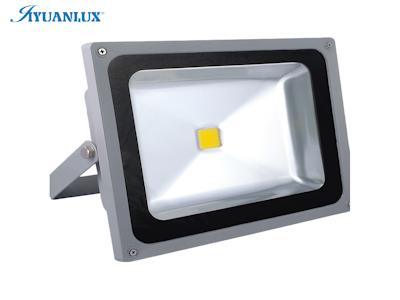
В современном мире, где урбанизация стремительно растет, города сталкиваются с множеством вызовов: от экономических ограничений до экологических проблем. Одним из ключевых аспектов городской инфраструктуры является освещение. Традиционные уличные фонари, основанные на устаревших технологиях, таких как натриевые или металлогалогенные лампы, потребляют огромное количество энергии, способствуют выбросам CO2 и требуют частого обслуживания. Однако на смену им приходят современные энергосберегающие фонари, которые не только экономят ресурсы, но и преобразуют городские пространства в умные, безопасные и экологически чистые зоны. В этой статье мы глубоко погрузимся в мир инновационных решений для городского освещения, рассмотрим технологии, преимущества, реальные примеры и будущие тенденции. Приготовьтесь узнать, как светодиодные и умные фонари меняют правила игры для городов по всему миру!
Введение: Почему энергосберегающие фонари так важны?
Городское освещение играет crucial роль в повседневной жизни. Оно обеспечивает безопасность на улицах, подчеркивает архитектурные красоты, поддерживает ночную экономику и способствует общественному благополучию. Однако традиционные системы освещения often inefficient, consuming up to 50% more energy than necessary. This not only strains municipal budgets but also contributes to climate change. For instance, in Russia, street lighting accounts for approximately 10-15% of total urban electricity consumption. Switching to energy-saving lights can reduce this by up to 60%, saving billions of rubles annually and cutting carbon emissions significantly.
Moreover, the advent of smart city concepts has highlighted the need for integrated solutions. Energy-efficient lights are not just about saving power; they are part of a broader ecosystem that includes sensors, IoT connectivity, and data analytics. This transformation is not a luxury but a necessity for sustainable urban development. In this article, we will explore the types of energy-saving lights, their benefits, implementation strategies, and the future outlook, providing a comprehensive guide for city planners, policymakers, and citizens alike.
Типы современных энергосберегающих фонарей
Современные энергосберегающие фонари можно broadly categorize into several types, each with unique features and applications. The most prominent include:
- Светодиодные (LED) фонари: These are the most popular due to their high efficiency, long lifespan (up to 50,000 hours), and versatility. LEDs convert over 80% of energy into light, compared to only 20% for incandescent bulbs. They are ideal for streets, parks, and architectural lighting.
- Умные фонари с датчиками: Equipped with motion sensors, ambient light sensors, and connectivity modules, these lights adjust brightness based on real-time conditions. For example, they dim when no activity is detected, saving energy without compromising safety.
- Солнечные фонари: Powered by photovoltaic panels, these are perfect for remote areas or parks where grid connection is challenging. They store energy during the day and provide illumination at night, offering zero operational costs after installation.
- Индукционные фонари: Less common but highly efficient, these use electromagnetic induction to produce light, with lifespans exceeding 100,000 hours. They are suitable for high-mast lighting on highways or large public spaces.
Each type has its pros and cons. LEDs dominate the market due to their cost-effectiveness and rapid technological advancements. Smart lights, while more expensive upfront, offer long-term savings and additional functionalities like data collection for urban management.
Преимущества энергосберегающих фонарей
The benefits of switching to energy-saving lights are multifaceted, impacting economy, environment, and society.
- Экономия энергии и costs: LED lights consume up to 80% less energy than traditional options. For a city with 10,000 street lights, this can translate to annual savings of millions of rubles. For example, Moscow has reported savings of over 30% on lighting costs after adopting LEDs.
- Экологические выгоды: Reduced energy consumption means lower greenhouse gas emissions. A study by the International Energy Agency estimates that global adoption of efficient lighting could cut CO2 emissions by 1.5 billion tons by 2030. Additionally, LEDs contain no toxic materials like mercury, making disposal safer.
- Улучшенная безопасность и видимость: LEDs provide better color rendering and uniform light distribution, reducing glare and shadows. This enhances visibility for drivers and pedestrians, lowering accident rates. Smart lights with adaptive brightness ensure well-lit areas only when needed, preventing over-lighting and light pollution.
- Долговечность и низкие затраты на обслуживание: With lifespans of 10-15 years, energy-saving lights require fewer replacements, reducing labor and material costs. This is particularly beneficial for cities with vast lighting networks.
- Интеграция с умными городами: These lights can be part of IoT networks, enabling features like remote monitoring, fault detection, and data analytics for traffic management or air quality sensing.
Реальный пример: В Санкт-Петербурге замена 100,000传统 фонарей на светодиодные привела к экономии 40% энергии и снижению выбросов CO2 на 25,000 тонн в год. Это демонстрирует, как инвестиции в modern lighting can yield substantial returns.
Технологии behind энергосберегающих фонарей
The core of energy-saving lights lies in advanced technologies. LEDs work on the principle of electroluminescence, where semiconductors emit light when current passes through. Key technological aspects include:
- Диоды и чипы: High-quality LEDs use gallium nitride-based chips that offer high luminosity with minimal heat generation. Innovations like COB (Chip on Board) technology allow for compact and powerful designs.
- Драйверы и управление питанием: Efficient drivers regulate voltage and current, ensuring stable performance and extending lifespan. Smart drivers enable dimming and color temperature adjustments.
- Датчики и connectivity: Integration with sensors for motion, light, and weather conditions allows for adaptive lighting. Communication protocols like LoRaWAN or Zigbee facilitate connectivity to central management systems.
- Материалы и теплоотвод: Use of aluminum heat sinks and advanced plastics ensures durability and efficient thermal management, critical for performance in varying climates.
Ongoing research is focusing on improving efficacy (lumens per watt), with some LEDs now exceeding 200 lm/W. Additionally, developments in organic LEDs (OLEDs) and quantum dot technologies promise even greater efficiency and flexibility for future urban lighting.
Реализация в городах: Примеры и стратегии
Implementing energy-saving lights requires careful planning and investment. Cities around the world have adopted various strategies:
- Пилотные проекты: Starting with small-scale pilots helps assess effectiveness and gain public support. For instance, Yekaterinburg implemented a pilot in the city center, leading to a full-scale rollout based on positive feedback.
- Государственно-частное партнерство: Collaborating with private companies can reduce upfront costs. Performance-based contracts, where savings are shared, are popular. In Novosibirsk, a PPP model accelerated the adoption of smart lights.
- Финансирование и Incentives: Utilizing grants, green bonds, or energy efficiency funds. The Russian government offers subsidies for municipalities that adopt energy-saving technologies under national programs.
- Общественное engagement: Educating citizens about benefits ensures smooth transition. Workshops and demonstrations can address concerns about light quality or initial costs.
Global examples include cities like Los Angeles, which saved $9 million annually after converting to LEDs, or Copenhagen, where smart lights contribute to the city's goal of carbon neutrality by 2025. In Russia, cities like Kazan and Sochi have seen similar successes, with照明 upgrades becoming a benchmark for urban modernization.
Вызовы и решения
Despite the advantages, there are challenges in adopting energy-saving lights:
- Высокие initial costs: LED and smart lights have higher upfront prices. Solutions include phased implementation, leasing options, or calculating total cost of ownership to justify investment.
- Техническая сложность: Integrating with existing infrastructure may require upgrades. Training for maintenance staff is essential to handle new technologies.
- Световое загрязнение: Poorly designed lights can cause glare or skyglow. Using shields, proper angling, and dimming capabilities can mitigate this.
- Утилизация: While LEDs are safer, end-of-life disposal needs proper recycling systems to recover materials like aluminum and electronics.
Addressing these challenges through robust policies, international standards (e.g., from IEC or CIE), and continuous innovation is key to widespread adoption.
Будущее городского освещения
The future of urban lighting is bright and intelligent. Trends include:
- AI и машинное обучение: Lights that learn patterns and optimize energy use autonomously.
- Интеграция с 5G и IoT: Enabling real-time data exchange for smarter city operations, such as traffic flow optimization or emergency response.
- Устойчивые материалы: Development of biodegradable or recyclable components to reduce environmental impact.
- Человеко-ориентированное освещение: Adjusting color temperature to mimic natural light, improving well-being and circadian rhythms.
By 2030, it's estimated that over 70% of global street lighting will be LED-based, with smart capabilities becoming standard. This evolution will not only save energy but also transform cities into more livable, responsive, and sustainable environments.
Заключение
Современные энергосберегающие фонари — это не просто technological upgrade; они являются краеугольным камнем умных и устойчивых городов. От экономии энергии и снижения выбросов до улучшения безопасности и интеграции с digital infrastructure, эти innovations предлагают comprehensive benefits. Города, инвестирующие в such системы, not only экономят деньги но и contribute к глобальным экологическим целям. Пришло время embrace это revolution и осветить путь к brighter, greener future для всех. Давайте работать вместе, чтобы сделать наши города более efficient, safe, and sustainable через передовое освещение!
For more information on implementing energy-saving lights in your city, consult with experts or explore resources from organizations like the International Dark-Sky Association or national energy agencies. The future is light, and it's efficient!