


Информационный центр
 Главная страница
Как выбирать экологичные светильники для улицы
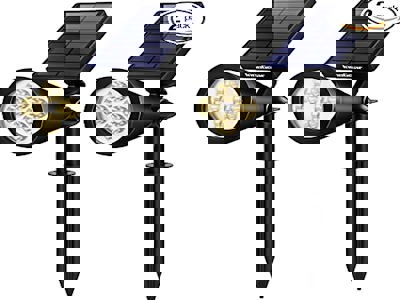
В современном мире, где экологические проблемы становятся все более актуальными, выбор уличных светильников перестает быть просто вопросом эстетики или функциональности. Он превращается в осознанный шаг towards sustainable development. Экологичные светильники для улицы – это не просто модный тренд, а необходимость, которая помогает снизить негативное воздействие на окружающую среду, экономить энергию и создавать комфортные условия для жизни. В этой статье мы подробно рассмотрим, как правильно выбирать такие светильники, учитывая ключевые аспекты: энергоэффективность, материалы, технологии и многое другое. Мы углубимся в детали, чтобы вы могли сделать informed decision, способствующее greener future.
Почему важно выбирать экологичные уличные светильники?
Уличное освещение играет crucial role в городской инфраструктуре. Оно обеспечивает безопасность, комфорт и эстетику public spaces. Однако традиционные светильники, такие как лампы накаливания или газоразрядные лампы, часто consume significant amounts of energy и contribute to environmental degradation. Например, они могут выделять тепло, требовать частой замены и содержать hazardous materials like mercury. Выбор экологичных альтернатив помогает mitigate these issues. Во-первых, это снижает carbon footprint, так как energy-efficient options like LED consume up to 80% less electricity. Во-вторых, это уменьшает waste generation, поскольку durable светильники служат дольше и often made from recyclable materials. Кроме того, экологичные светильники могут integrate with smart systems, allowing for precise control and further energy savings. В глобальном масштабе, переход на such lighting supports international efforts like the Paris Agreement, aiming to combat climate change. Thus, making a conscious choice is not only beneficial for individual users but also for the planet as a whole.
Ключевые критерии выбора экологичных светильников
При выборе экологичных уличных светильников необходимо учитывать several factors to ensure they truly align with sustainable principles. Let's break them down in detail.
1. Energy Efficiency: The Heart of Eco-Friendly Lighting
Energy efficiency is paramount when it comes to eco-friendly lighting. The primary metric to look for is lumens per watt (lm/W), which indicates how much light is produced per unit of energy consumed. LED technology dominates this area, offering efficiencies of 100-200 lm/W, compared to incandescent bulbs at 10-17 lm/W or fluorescent at 50-100 lm/W. For street lighting, aim for LEDs with high efficacy, as they reduce electricity consumption significantly. Additionally, consider light fixtures with built-in sensors, such as motion detectors or photocells, which can dim or turn off lights when not needed, further saving energy. Certifications like Energy Star or equivalent local standards can guide you towards verified efficient products. Remember, lower energy use not only cuts costs but also decreases reliance on fossil fuels, reducing greenhouse gas emissions.
2. Materials and Manufacturing: Sustainable Sourcing and Production
The materials used in light fixtures greatly impact their environmental friendliness. Opt for products made from recycled or recyclable materials, such as aluminum, steel, or certain plastics. Avoid materials that contain toxic substances, like lead or mercury, which can leach into the environment during disposal. Look for certifications like Cradle to Cradle or RoHS, which ensure products are designed with sustainability in mind. Furthermore, consider the manufacturing process: companies that use renewable energy in production or have low waste policies are preferable. For instance, some manufacturers employ solar power in their factories, minimizing the carbon footprint from the get-go. By choosing light fixtures from responsible brands, you support circular economy principles and reduce environmental harm.
3. Durability and Lifespan: Longevity Reduces Waste
A key aspect of eco-friendliness is longevity. Light fixtures with longer lifespans require fewer replacements, which means less waste and lower resource consumption over time. LED street lights typically last 50,000 to 100,000 hours, far outstripping traditional options that may need replacement every 1-2 years. When selecting, check the rated lifespan and warranty offered by manufacturers. Also, consider the build quality: weather-resistant designs that can withstand harsh conditions like rain, wind, or extreme temperatures will ensure durability. This not only saves money on maintenance but also aligns with sustainable practices by minimizing the need for new products and reducing landfill waste.
4. Light Pollution Control: Protecting the Night Sky
Light pollution is a growing concern, as excessive artificial light can disrupt ecosystems, affect human health, and waste energy. Eco-friendly street lights should be designed to minimize light trespass and glare. Look for fixtures with full cutoff or shielded designs that direct light downward where it's needed, rather than scattering it into the sky. This helps preserve natural darkness, benefiting wildlife and reducing energy waste. Technologies like adaptive lighting, which adjusts brightness based on time or activity, can further mitigate pollution. By choosing light fixtures that control light spill, you contribute to a healthier environment and better quality of life in urban areas.
5. Smart Technology Integration: Enhancing Efficiency
Smart lighting systems represent the future of eco-friendly street illumination. These systems use IoT (Internet of Things) technology to enable remote monitoring, dimming, and scheduling based on real-time data. For example, lights can be programmed to brighten during peak hours and dim during low-traffic periods, optimizing energy use. Some systems even incorporate renewable energy sources, such as solar panels, making them self-sufficient. When selecting light fixtures, consider compatibility with smart networks and platforms. This not only boosts efficiency but also allows for predictive maintenance, reducing downtime and resource use. Investing in smart eco-lighting is a step towards smarter, greener cities.
Практические шаги по выбору и установке
Теперь, когда мы рассмотрели ключевые критерии, давайте перейдем к practical steps for choosing and installing eco-friendly street lights.
Шаг 1: Оценка потребностей и бюджета
Начните с анализа ваших specific needs. Определите areas to be illuminated, desired light levels (measured in lux), and any special requirements, such as vandal resistance or aesthetic considerations. Set a budget that accounts for initial costs and long-term savings from energy efficiency. While eco-friendly options may have higher upfront costs, they often pay for themselves through reduced electricity bills and maintenance over time. Use online calculators or consult with experts to estimate ROI.
Шаг 2: Исследование продуктов и брендов
Изучите рынок, focusing on brands known for sustainability. Read reviews, check certifications, and compare specifications like lumens, wattage, and color temperature (measured in Kelvin, with 3000-4000K often ideal for street lighting as it provides warm white light without excessive blue light). Visit trade shows or consult with lighting designers to get hands-on experience. Don't forget to consider local availability and support for installation and maintenance.
Шаг 3: Учет местных regulations and incentives
Многие regions offer incentives for adopting eco-friendly lighting, such as tax credits or grants. Check with local authorities or energy agencies for programs that can offset costs. Additionally, ensure compliance with local lighting standards and regulations regarding light pollution, safety, and efficiency. This step can help you avoid legal issues and maximize benefits.
Шаг 4: Профессиональная установка и тестирование
Для optimal performance, hire certified professionals for installation. They can ensure proper positioning, wiring, and integration with existing systems. After installation, conduct tests to verify light distribution, energy consumption, and functionality of smart features. Regular maintenance, such as cleaning lenses and checking connections, will prolong lifespan and maintain efficiency.
Будущее экологичного уличного освещения
Технологии continue to evolve, promising even greener solutions for street lighting. Innovations like Li-Fi (light fidelity), which uses light for data transmission, or advanced solar-integrated lights, are on the horizon. Moreover, the integration of AI and machine learning could enable predictive lighting adjustments based on weather or traffic patterns. As cities worldwide commit to sustainability goals, the demand for eco-friendly lighting will only grow. By staying informed and making conscious choices today, we can shape a brighter, more sustainable future.
Заключение
Выбор экологичных уличных светильников – это multifaceted process that requires attention to energy efficiency, materials, durability, light pollution, and smart technology. By prioritizing these aspects, you not only enhance the functionality and aesthetics of public spaces but also contribute significantly to environmental conservation. Remember, every small step towards sustainability counts. Start by evaluating your needs, researching options, and leveraging available incentives. Together, we can illuminate our streets in a way that honors both people and the planet.
For more information, consult resources from organizations like the International Dark-Sky Association or local energy efficiency programs. Embrace the change and light the path to a greener world!