
Информационный центр
 Главная страница
Ваш идеальный свет для работы и отдыха стильный и функциональный
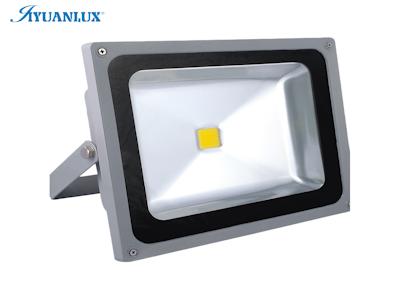
Освещение играет ключевую роль в создании атмосферы любого пространства, будь то рабочее место или уголок для отдыха. Правильно подобранный свет не только улучшает видимость, но и влияет на настроение, продуктивность и общее самочувствие. В этой статье мы подробно рассмотрим, как выбрать идеальное освещение, которое сочетает в себе стиль и функциональность, делая вашу жизнь ярче и комфортнее. Мы обсудим современные тенденции, преимущества LED технологий, дизайнерские решения, а также дадим практические советы по организации освещения в разных зонах вашего дома или офиса. Готовы ли вы преобразить свое пространство с помощью света? Тогда читайте дальше!
Почему освещение так важно?
Освещение — это не просто источник света; это мощный инструмент, который может кардинально изменить восприятие пространства. Научные исследования показывают, что свет влияет на наши биологические ритмы, уровень стресса и даже когнитивные функции. Например, яркий белый свет способствует концентрации и бодрости, что идеально подходит для работы, в то время как теплый мягкий свет помогает расслабиться и отдохнуть. Кроме того, освещение может подчеркнуть архитектурные особенности интерьера, создать акценты и улучшить эстетику. В современном мире, где мы проводим много времени в помещении, инвестиции в качественное освещение окупаются улучшением качества жизни. Недостаток света может привести к усталости глаз, головным болям и снижению продуктивности, поэтому важно подходить к выбору осветительных приборов осознанно.
Современные тенденции в освещении
Мир освещения постоянно развивается, и сегодня мы видим множество инноваций, которые делают свет более умным, экологичным и стильным. Одна из главных тенденций — это переход на LED технологии. LED светильники потребляют значительно меньше энергии по сравнению с традиционными лампами накаливания, что не только экономит деньги на счетах за электричество, но и снижает нагрузку на окружающую среду. Кроме того, LED лампы имеют долгий срок службы — до 50,000 часов, что означает меньше хлопот с заменой. Другая важная тенденция — умное освещение. С помощью систем умного дома вы можете управлять светом удаленно через смартфон, настраивать яркость и цветовую температуру в зависимости от времени суток или настроения. Например, утром можно включить холодный белый свет для бодрости, а вечером переключиться на теплый желтый для релаксации. Дизайнерские тенденции также не стоят на месте: минимализм, индустриальный стиль и натуральные материалы в осветительных приборах становятся все популярнее. Такие решения не только функциональны, но и служат украшением интерьера.
Выбор освещения для работы
Рабочее место требует особого подхода к освещению, так как здесь важно обеспечить комфорт для глаз и высокую продуктивность. Основное правило — использовать многоуровневое освещение. Это означает сочетание общего света (например, потолочного светильника), task-освещения (настольной лампы) и акцентного света для создания глубины. Для общего освещения рекомендуется выбирать LED панели или светильники с рассеянным светом, чтобы избежать бликов и равномерно осветить всю комнату. Яркость должна быть adjustable, чтобы вы могли адаптировать ее под конкретные задачи. Task-освещение, такое как настольные лампы, должно быть направленным и регулируемым. Идеально подходят лампы с гибкой штангой или поворотным механизмом, которые позволяют направить свет точно туда, где он нужен. Цветовая температура также имеет значение: для работы лучше использовать холодный белый свет (5000-6500K), который способствует бодрости и концентрации. Однако не забывайте о комфорте — слишком холодный свет может вызывать напряжение, поэтому иногда стоит добавить warmer tones. Кроме того, consider the placement of lights to avoid shadows on your work surface. For example, if you are right-handed, place the lamp on the left side to prevent your hand from casting a shadow. Finally, don't forget about energy efficiency: LED lamps are the best choice for task lighting due to their low heat emission and long lifespan.
Выбор освещения для отдыха
Когда дело доходит отдыха, освещение должно создавать уютную и расслабляющую атмосферу. Здесь на первый план выходит warm light with a color temperature of 2700-3000K, which mimics the gentle glow of sunset and helps the body produce melatonin, the sleep hormone. Avoid bright, cold lights in areas meant for relaxation, such as living rooms or bedrooms. Instead, opt for dimmable lights that allow you to adjust the brightness according to your mood. Layered lighting is also key: combine ambient light from ceiling fixtures with accent lights like floor lamps, table lamps, or even fairy lights to create a soft, inviting glow. For example, in a living room, you might use a central chandelier for general illumination but rely more on floor lamps near sofas for reading or conversation. In bedrooms, consider bedside lamps with warm light for reading before sleep, and avoid overhead lights that can be too harsh. Smart lighting systems can enhance relaxation by allowing you to set scenes: for instance, a "movie night" scene that dims the lights to a comfortable level. Additionally, natural materials in light fixtures, such as wood or fabric shades, can add a touch of nature and warmth to the space. Remember, the goal is to create a sanctuary where you can unwind, so choose lights that are not only functional but also aesthetically pleasing.
Преимущества LED освещения
LED technology has revolutionized the lighting industry, offering numerous benefits that make it ideal for both work and relaxation. First and foremost, energy efficiency: LED lamps use up to 80% less energy than incandescent bulbs, which translates to significant savings on electricity bills over time. They also have a much longer lifespan—typically 25,000 to 50,000 hours—meaning you won't have to replace them as often, reducing waste and maintenance costs. Another advantage is their versatility: LEDs are available in a wide range of color temperatures, from cool white to warm yellow, allowing you to customize the lighting to suit any activity or mood. They also produce very little heat, which makes them safer to use, especially in task lighting where traditional bulbs might cause discomfort. Additionally, LED lights are eco-friendly because they contain no hazardous materials like mercury (found in CFLs) and are fully recyclable. For smart homes, LED compatibility with dimmers and smart systems allows for seamless integration, enabling features like color changing and remote control. Whether you're looking for bright, focused light for work or soft, ambient light for relaxation, LED options provide the flexibility and performance needed to create the perfect environment.
Дизайнерские решения для стильного освещения
Стильное освещение — это не только о functionality, but also about enhancing the aesthetics of your space. Today's market offers a plethora of design options to match any interior style. For a modern, minimalist look, consider sleek LED pendant lights or track lighting that provide clean lines and unobtrusive design. These are perfect for offices or contemporary homes where simplicity is key. If you prefer an industrial vibe, exposed bulb fixtures or metal cage lamps can add a raw, urban touch. For a more classic or rustic appeal, chandeliers with crystal accents or lantern-style lights made from natural materials like wood or rattan can create a cozy atmosphere. Don't forget about color: while white and neutral tones are timeless, bold-colored lampshades or RGB LED strips can inject personality and fun into a room. Placement is also crucial for style; for example, a statement floor lamp in a corner can serve as a focal point, while wall sconces can add depth and interest without taking up floor space. Mixing different types of lights—such as combining overhead lights with table lamps—can create visual hierarchy and make the space feel more dynamic. Ultimately, the best design is one that reflects your personal taste while ensuring the light is practical for its intended use.
Практические советы по организации освещения
Organizing lighting in your home or office doesn't have to be complicated. Start by assessing the function of each room: identify areas that need bright light for tasks (e.g., desks, kitchens) and areas that benefit from softer light for relaxation (e.g., living rooms, bedrooms). Use a layered approach: combine general lighting for overall illumination, task lighting for specific activities, and accent lighting to highlight features like artwork or architectural elements. For general lighting, ceiling-mounted fixtures like flush mounts or recessed lights work well. Task lighting can include desk lamps, under-cabinet lights in kitchens, or reading lights next to beds. Accent lighting might involve track lights or spotlights directed at walls or shelves. When choosing bulbs, pay attention to lumens (a measure of brightness) and color temperature. As a rule of thumb, aim for 300-500 lumens per square meter for general lighting, and adjust based on needs. For color temperature, remember: cooler light (5000K+) for work areas, warmer light (2700-3000K) for relaxation. Dimmers are a great addition because they allow you to customize brightness throughout the day. Also, consider the direction of light to avoid glare; use shades or diffusers to soften the light. Finally, think about energy savings by opting for LED bulbs and turning off lights when not in use. With these tips, you can create a well-lit space that is both beautiful and efficient.
Заключение: Свет как часть вашей жизни
В заключение, идеальное освещение для работы и отдыха — это баланс между стилем и функциональностью. Инвестируя в качественные осветительные решения, вы не только улучшаете эстетику своего пространства, но и повышаете комфорт, продуктивность и overall well-being. Современные технологии, такие как LED и умное освещение, делают этот процесс easier and more customizable than ever. Whether you're setting up a home office or creating a cozy retreat, remember that light has the power to transform. Start by evaluating your needs, experiment with different types of lighting, and don't be afraid to mix and match to find what works best for you. With the right approach, your lighting can become an integral part of your daily life, enhancing every moment from productive work sessions to peaceful relaxation. So, embrace the light and let it illuminate your path to a brighter, more stylish future!
This article has provided an in-depth look at choosing the perfect lighting, covering importance, trends, specific recommendations for work and rest, advantages of LED, design ideas, and practical tips. By following these guidelines, you can create environments that are not only functional but also inspire and delight. Thank you for reading, and may your spaces always be filled with the perfect light!