
 Главная страница
Как настольная лампа может улучшить вашу концентрацию и продуктивность
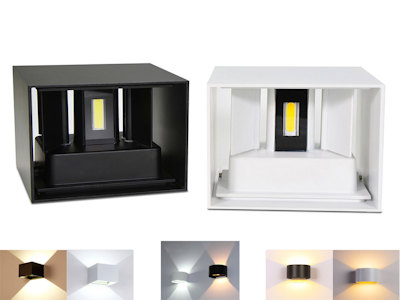
В современном мире, где информационный шум и цифровые отвлекающие факторы стали неотъемлемой частью нашей повседневной жизни, способность сохранять концентрацию и повышать продуктивность становится критически важной. Многие из нас проводят долгие часы за рабочими столами, будь то в офисе, дома или в учебном заведении. В этом контексте, казалось бы, простая вещь, как настольная лампа, может сыграть решающую роль. Но как именно? В этой статье мы глубоко погрузимся в тему, исследуя научные, психологические и практические аспекты того, как настольная лампа может стать вашим верным союзником в борьбе за эффективность и фокус.
Научные основы: почему освещение важно для концентрации
Освещение – это не просто функциональный элемент интерьера; оно напрямую влияет на наше физиологическое и психологическое состояние. С научной точки зрения, свет воздействует на циркадные ритмы – внутренние биологические часы, которые регулируют сон, бодрствование и общую активность. Исследования, такие как те, что проводятся в области хронобиологии, показывают, что правильное освещение может синхронизировать эти ритмы, улучшая умственную работоспособность. Например, яркий свет с высокой цветовой температурой (ближе к дневному свету, около 5000-6500K) стимулирует выработку гормонов, таких как кортизол, который помогает нам оставаться alert и сосредоточенными. Это особенно важно в дневное время, когда мы need to be at our peak productivity.
Кроме того, освещение влияет на нейротрансмиттеры в мозге. Недостаточное или неправильное освещение может привести к усталости глаз, головным болям и снижению когнитивных функций. Напротив, оптимальное освещение, обеспечиваемое настольной лампой, может уменьшить эти негативные эффекты. Исследование, опубликованное в Journal of Environmental Psychology, демонстрирует, что workers in well-lit environments report higher satisfaction and better performance. Таким образом, investing in a good desk lamp is not just about aesthetics; it's a scientifically backed strategy for enhancing focus.
Психологические аспекты: свет и настроение
Психология освещения – это fascinating area that explores how light affects our emotions and mental state. A well-designed desk lamp can create a sense of comfort and control, which is crucial for maintaining concentration. For instance, warm light (around 2700-3000K) is often associated with relaxation and can be beneficial in the evening to wind down, but for work or study, cooler light is preferred as it promotes alertness. This is why many productivity experts recommend using adjustable lamps that allow you to change the color temperature based on the task at hand.
Moreover, light can influence our perception of space. A focused beam from a desk lamp can define your work area, mentally separating it from distractions. This is similar to the concept of "zoning" in interior design, where light is used to create functional areas. By illuminating only your desk, you signal to your brain that it's time to work, thereby enhancing your ability to concentrate. Personal anecdotes abound: many students and professionals swear by their desk lamps as tools that help them enter a "flow state" more easily.
Практические советы: выбор и использование настольной лампы
Чтобы максимизировать benefits, it's essential to choose the right desk lamp. Key factors include the type of bulb (LED is highly recommended for energy efficiency and adjustability), brightness (measured in lumens; aim for 500-1000 lumens for reading or detailed work), and color temperature (5000-6500K for concentration). Adjustable arms and dimmable features are bonuses that allow customization. Placement is also critical: position the lamp to avoid glare on screens or papers, ideally from the side or slightly behind to reduce shadows.
In terms of usage, incorporate the lamp into your daily routine. Turn it on during work hours to create a consistent environment. Some advanced lamps even offer smart features like scheduling or integration with productivity apps, reminding you to take breaks or adjust lighting based on the time of day. Remember, the goal is to make lighting work for you, not against you.
Влияние на здоровье: защита глаз и общее благополучие
Poor lighting is a leading cause of eye strain, especially in the digital age where screen time is high. A desk lamp with proper illumination can reduce this strain by providing even light that minimizes contrast between the screen and surroundings. This is supported by optometric studies that emphasize the importance of task lighting to prevent conditions like computer vision syndrome. Additionally, good lighting can improve posture by encouraging you to sit properly at your desk, as you're less likely to hunch over to see better.
Beyond eyes, overall well-being is enhanced. Adequate light exposure helps regulate sleep patterns, which in turn boosts daytime productivity. For those working from home, a dedicated lamp can delineate work life from personal life, reducing stress and improving mental health.
Заключение: настольная лампа как инвестиция в себя
In summary, a desk lamp is far more than a simple accessory; it's a powerful tool that can transform your work and study habits. By leveraging scientific principles, psychological insights, and practical tips, you can harness its potential to boost concentration and productivity. Whether you're a student cramming for exams or a professional tackling deadlines, investing in a quality desk lamp is a small step with significant returns. So, next time you sit down to work, make sure your lamp is shining bright – your brain will thank you.
This article has covered the multifaceted benefits of desk lamps, but remember, consistency is key. Make lighting a part of your productivity strategy, and watch your focus soar.